
| jump_all | jump_back | jump_next | jump_random | fig_id | title | instructor | credits | extra | reserved | class1_subjectcourse | class1_title | class1_meeting | class1_ethnic | class1_gened | class1_breadth | class1_level | class1_honors | class1_credit | class1_classnumber | class2_subjectcourse | class2_title | class2_meeting | class2_ethnic | class2_gened | class2_breadth | class2_level | class2_honors | class2_credit | class2_classnumber | class3_subjectcourse | class3_title | class3_meeting | class3_ethnic | class3_gened | class3_breadth | class3_level | class3_honors | class3_credit | class3_classnumber | class4_subjectcourse | class4_title | class4_meeting | class4_ethnic | class4_gened | class4_breadth | class4_level | class4_honors | class4_credit | class4_classnumber | fig |
|---|---|---|---|---|---|---|---|---|---|---|---|---|---|---|---|---|---|---|---|---|---|---|---|---|---|---|---|---|---|---|---|---|---|---|---|---|---|---|---|---|---|---|---|---|---|---|---|---|---|---|
| all | previous | next | random | 1 | AI and Society | Martin Eiermann | 9 | Sociology 196 | AI and Society | LEC 3: 2:30 pm–3:45 pm MW | Social Science | Elementary | 3 | 36878 | English 177 | How We Remember: Plato to ChatGPT | LEC 1: 1:20 pm–2:10 pm TR + DIS 306: 2:25 pm–3:15 pm F | Literature | Elementary | Honors Optional | 3 | 27093 | Computer Sciences 220 | Data Science Programming I | LEC 4: 1:20 pm–2:10 pm MWF + LAB 341: 2:30 pm–3:45 pm R | Quantitative Reasoning Part B | Natural Science | Elementary | 3 | 22252 | 26fig01 | |||||||||||||||||||
| all | previous | next | random | 2 | All the Feels: Understanding Fans and Fandom | Cabell Gathman | 9 | Sociology 196 | All the Feels: Fans and Fandom | LEC 6: 1:00 pm–2:15 pm TR | Social Science | Elementary | 3 | 35963 | Folklore Program 100 | Introduction to Folklore | LEC 1: 2:25 pm–3:15 pm TR + DIS 303: 8:50 am–9:40 am R | Ethnic Studies | Communication Part B | Humanities | Elementary | Honors Optional | 3 | 18524 | Journalism and Mass Communication 162 | Mass Media in Multicultural America | LEC 1: 11:00 am–12:15 pm TR | Ethnic Studies | Social Science | Elementary | 3 | 27485 | 26fig02 | |||||||||||||||||
| all | previous | next | random | 3 | Body, Mind, Spirit, and the Yoga Tradition | Chris Livanos | 6 | Integrated Liberal Studies 110 | Body, Mind, Spirit, and the Yoga Tradition | LEC 1: 11:00 am–12:15 pm TR + 10:00 am–10:50 am F | Humanities | Elementary | 3 | 29079 | Religious Studies 102 | Exploring Religion in Sickness and Health | LEC 1: 12:05 pm–12:55 pm MW + DIS 308: 12:05 pm–12:55 pm F | Humanities or Social Science | Elementary | 3 | 28086 | 26fig03 | ||||||||||||||||||||||||||||
| all | previous | next | random | 4 | Chicanx/e and Latinx/e Education in the United States | Mariana Pacheco | 9 | Curriculum and Instruction 200 | Chicanx/e and Latinx/e Education in the United States | LEC 1: 9:30 am–10:45 am TR | Elementary | 3 | 36951 | Educational Policy Studies 200 | Race, Ethnicity, and Inequality in American Education | LEC 1: 2:30 pm–3:45 pm TR | Ethnic Studies | Social Science | Elementary | 3 | 29072 | Chicanx/e and Latinx/e Studies 201 | Introduction to Chicanx/e and Latinx/e Studies | LEC 1: 2:30 pm–3:45 pm MW | Ethnic Studies | Social Science | Elementary | 3 | 27484 | 26fig04 | ||||||||||||||||||||
| all | previous | next | random | 5 | Childhood Challenges: How Psychology Helps | Kristin Shutts | 10 | Psychology 212 | Childhood Challenges | LEC 1: 2:30 pm–3:45 pm MW | Social Science | Elementary | 3 | 32480 | Sociology 120 | Marriage and Family | LEC 1: 9:30 am–10:45 am TR + DIS 307: 9:55 am–10:45 am W | Social Science | Elementary | 4 | 29321 | Gender and Women’s Studies 103 | Gender, Women, Bodies, and Health | LEC 1: 11:00 am–11:50 am MW + DIS 301: 9:55 am–10:45 am F | Natural Science | Elementary | 3 | 18620 | 26fig05 | |||||||||||||||||||||
| all | previous | next | random | 6 | Children and Media | Karyn Riddle | 9 | Journalism and Mass Communication 176 | Children and Media | LEC 14: 11:00 am–12:15 pm TR | Social Science | Elementary | 3 | 27486 | Educational Policy Studies 210 | Youth, Education, and Society | LEC 2: 11:00 am–11:50 am MW + DIS 304: 11:00 am–11:50 am F | Ethnic Studies | Social Science | Elementary | 3 | 27220 | Communication Arts 250 | Introduction to Contemporary Media | LEC 1: 2:25 pm–3:15 pm R + DIS 302: 2:25 pm–3:15 pm T | Humanities | Elementary | 3 | 12857 | 26fig06 | ||||||||||||||||||||
| all | previous | next | random | 7 | Children and Youth in a Changing World | Jessica Calarco | 10 | Sociology 196 | Children and Youth in a Changing World | LEC 4: 9:30 am–10:45 am TR | Social Science | Elementary | 3 | 30157 | Communication Arts 250 | Introduction to Contemporary Media | LEC 1: 2:25 pm–3:15 pm R + DIS 305: 4:35 pm–5:25 pm T | Humanities | Elementary | 3 | 12860 | Sociology 134 | Sociology of Race and Ethnicity in the United States | LEC 4: 12:05 pm–12:55 pm MWF + DIS 384: 12:05 pm–12:55 pm T | Ethnic Studies | Social Science | Elementary | 4 | 26428 | 26fig07 | ||||||||||||||||||||
| all | previous | next | random | 8 | Cultures of Sustainability across Europe | Marcus Cederstrom | 9 | German Nordic Slavic 210 | Cultures of Sustainability: Central, Eastern, and Northern Europe | LEC 1: 9:30 am–10:45 am TR | Humanities | Elementary | Honors Optional | 3 | 29063 | Environmental Studies 112 | Environmental Studies: Social Science Perspectives | LEC 1: 11:00 am–11:50 am MW + DIS 302: 2:25 pm–3:15 pm M | Social Science | Elementary | Honors Optional | 3 | 18639 | Folklore Program 100 | Introduction to Folklore | LEC 1: 2:25 pm–3:15 pm TR + DIS 307: 2:25 pm–3:15 pm W | Ethnic Studies | Communication Part B | Humanities | Elementary | Honors Optional | 3 | 23041 | 26fig08 | ||||||||||||||||
| all | previous | next | random | 9 | The Disability Experience | Garrett Huck | 9 | Includes 25 hours of community-based learning outside the classroom. | Rehabilitation Psychology and Special Education 210 | The Disability Experience | LEC 1: 2:25 pm–5:25 pm W | Social Science | Elementary | 3 | 30768 | Rehabilitation Psychology and Special Education 300 | Individuals with Disabilities | LEC 3: 2:30 pm–3:45 pm TR | Elementary | 3 | 19397 | Psychology 202 | Introduction to Psychology | LEC 3: 12:05 pm–12:55 pm MWF | Social Science | Elementary | 3 | 13157 | 26fig09 | |||||||||||||||||||||
| all | previous | next | random | 10 | Diversity in Special Education | Kimber Wilkerson | 9 | Includes 25 hours of community-based learning outside the classroom. | Rehabilitation Psychology and Special Education 200 | Issues in Special Education | LEC 2: 9:30 am–10:45 am TR | 3 | 19394 | Rehabilitation Psychology and Special Education 300 | Individuals with Disabilities | LEC 1: 2:25 pm–5:25 pm M | Elementary | 3 | 11104 | English 100 | Introduction to College Composition | LEC 52: 2:30 pm–3:45 pm TR | Communication Part A | Elementary | 3 | 19654 | 26fig10 | |||||||||||||||||||||||
| all | previous | next | random | 11 | Divided We Stand: Polarization, Populism, and Democratic Erosion | Amy Gangl | 10 | for students advised by the Letters & Science Honors Program | Political Science 206 | Introduction to Political Psychology | LEC 1: 11:00 am–12:15 pm TR | Social Science | Elementary | Honors Only | 3 | 27265 | Sociology 134 | Sociology of Race and Ethnicity in the United States | LEC 3: 11:00 am–11:50 am MWF + DIS 361: 1:20 pm–2:10 pm W | Ethnic Studies | Social Science | Elementary | 4 | 22337 | Psychology 120 | The Art and Science of Human Flourishing | LEC 1: 9:55 am–10:45 am MW + DIS 306: 12:05 pm–12:55 pm F | Humanities or Social Science | Elementary | 3 | 21578 | 26fig11 | ||||||||||||||||||
| all | previous | next | random | 12 | Earth Partnership: Indigenous Arts and Sciences | Maria Moreno, Cheryl Bauer-Armstrong | 11 | Landscape Architecture 106 | Earth Partnership: Indigenous Arts and Sciences | LEC 1: 2:25 pm–4:50 pm R | Ethnic Studies | Elementary | 3 | 30208 | History Department 190 | Introduction to American Indian History | LEC 1: 2:30 pm–3:45 pm MW + DIS 301: 4:35 pm–5:25 pm M | Ethnic Studies | Humanities or Social Science | Elementary | Honors Optional | 4 | 31666 | Environmental Studies 255 | Introduction to Sustainability Science | LEC 1: 11:00 am–12:15 pm TR + LAB 301: 3:30 pm–6:30 pm T | Physical Science | Elementary | Honors Optional | 4 | 27764 | 26fig12 | ||||||||||||||||||
| all | previous | next | random | 13 | The Environment, Pollutants, and You | Jessica Hua | 9 | Forest and Wildlife Ecology 105 | Environment, Pollutants, and You | LEC 1: 2:25 pm–5:25 pm R | Biological Science | Elementary | 3 | 37217 | Geography 139 | Global Environmental Issues | LEC 1: 2:25 pm–3:15 pm MW + DIS 302: 9:55 am–10:45 am T | Social Science | Elementary | 3 | 15778 | Life Sciences Communication 100 | Science and Storytelling | LEC 8: 9:55 am–10:45 am MWF | Communication Part A | Elementary | 3 | 10694 | 26fig13 | |||||||||||||||||||||
| all | previous | next | random | 14 | Exercise as Medicine | Julie Cousins | 10 | Kinesiology 114 | Exercise as Medicine | LEC 1: 11:00 am–12:15 pm TR | 3 | 32435 | Psychology 120 | The Art and Science of Human Flourishing | LEC 1: 9:55 am–10:45 am MW + DIS 302: 9:55 am–10:45 am R | Humanities or Social Science | Elementary | 3 | 21566 | Sociology 134 | Sociology of Race and Ethnicity in the United States | LEC 3: 11:00 am–11:50 am MWF + DIS 363: 3:30 pm–4:20 pm W | Ethnic Studies | Social Science | Elementary | 4 | 22339 | 26fig14 | ||||||||||||||||||||||
| all | previous | next | random | 15 | Exploring Biology (Option 1) | Cara Theisen | 5 | Integrated Science 100 | Exploring Biology | LEC 1: 2:25 pm–3:15 pm M + DIS 301: 3:30 pm–4:20 pm M | Biological Science | Elementary | 2 | 22553 | English 100 | Introduction to College Composition | LEC 21: 12:05 pm–12:55 pm MWF | Communication Part A | Elementary | 3 | 16234 | 26fig15 | ||||||||||||||||||||||||||||
| all | previous | next | random | 16 | Exploring Biology (Option 2) | Cara Theisen | 5 | Integrated Science 100 | Exploring Biology | LEC 1: 2:25 pm–3:15 pm M + DIS 302: 3:30 pm–4:20 pm M | Biological Science | Elementary | 2 | 22554 | Anthropology 105 | Principles of Biological Anthropology | LEC 101: 1:20 pm–2:10 pm MW + DIS 301: 2:25 pm–3:15 pm W | Biological Science | Elementary | Honors Optional | 3 | 12587 | 26fig16 | |||||||||||||||||||||||||||
| all | previous | next | random | 17 | Exploring Biology (Option 3) | Cara Theisen | 8 | Integrated Science 100 | Exploring Biology | LEC 1: 2:25 pm–3:15 pm M + DIS 303: 3:30 pm–4:20 pm M | Biological Science | Elementary | 2 | 22555 | Interdisciplinary Courses (SOHE) 201 | Belonging, Purpose, and the Ecology of Human Happiness: EcoYou | LEC 1: 1:20 pm–2:10 pm MW + DIS 306: 12:05 pm–12:55 pm F | Social Science | Elementary | 3 | 19448 | English 100 | Introduction to College Composition | LEC 76: 2:30 pm–3:45 pm TR | Communication Part A | Elementary | 3 | 27045 | 26fig17 | |||||||||||||||||||||
| all | previous | next | random | 18 | Exploring Biology (Option 4) | Cara Theisen | 5 | Integrated Science 100 | Exploring Biology | LEC 1: 2:25 pm–3:15 pm M + DIS 304: 3:30 pm–4:20 pm M | Biological Science | Elementary | 2 | 22556 | Gender and Women’s Studies 103 | Gender, Women, Bodies, and Health | LEC 1: 11:00 am–11:50 am MW + DIS 303: 11:00 am–11:50 am F | Natural Science | Elementary | 3 | 18621 | 26fig18 | ||||||||||||||||||||||||||||
| all | previous | next | random | 19 | Exploring the World with X-ray Vision | Uwe Bergmann | 10 | Physics 120 | Exploring the World with X-ray Vision | LEC 1: 9:30 am–10:45 am TR | Physical Science | Elementary | 3 | 31511 | History of Science 201 | The Origins of Scientific Thought | LEC 1: 12:05 pm–12:55 pm TR + DIS 308: 3:30 pm–4:20 pm W | Humanities | Elementary | Honors Optional | 3 | 22309 | Chemistry 103 | General Chemistry I | LEC 1: 8:50 am–9:40 am MWF + DIS 303: 2:30 pm–3:45 pm R + LAB 603: 2:25 pm–5:25 pm T | Physical Science | Elementary | 4 | 12710 | 26fig19 | ||||||||||||||||||||
| all | previous | next | random | 20 | Families and the Criminal Legal System | Pajarita Charles | 10 | Social Work 275 | Families and the Criminal Legal System | LEC 2: 2:30 pm–3:45 pm TR | Social Science | Elementary | 3 | 35874 | Legal Studies 131 | Criminal Justice in America | LEC 1: 2:30 pm–3:45 pm MW + DIS 303: 11:00 am–11:50 am T | Social Science | Elementary | 4 | 14421 | History Department 154 | Who is an American? | LEC 2: 11:00 am–11:50 am MW + DIS 311: 11:00 am–11:50 am R | Ethnic Studies | Humanities | Elementary | 3 | 37828 | 26fig20 | ||||||||||||||||||||
| all | previous | next | random | 21 | Food Cultures of Italy | Grazia Menechella | 10 (or 11) | Plant Science 372 is optional for an additional credit (11 total). | Literature in Translation 200 | Food Cultures in Italian Literature | LEC 1: 1:00 pm–2:15 pm TR | Literature | Elementary | Honors Optional | 3 | 36397 | Anthropology 104 | Cultural Anthropology and Human Diversity | LEC 107: 11:00 am–11:50 am TR + DIS 307: 9:55 am–10:45 am F | Ethnic Studies | Social Science | Elementary | Honors Optional | 3 | 12577 | Italian 101 | First Semester Italian | LEC 1: 9:55 am–10:45 am MTWR | Elementary | Honors Optional | 4 | 36356 | Plant Science 372 | Seminar in Organic Agriculture | SEM 1: 3:30 pm–5:25 pm W | Elementary | 1 | 27804 | 26fig21 | |||||||||||
| all | previous | next | random | 22 | Frameworks for Understanding Sickness and Health | Corrie Norman | 6 | for students advised by the Letters & Science Honors Program | Religious Studies 102 | Exploring Religion in Sickness and Health | LEC 2: 2:30 pm–3:45 pm MW | Humanities or Social Science | Elementary | Honors Only | 3 | 29122 | Public Affairs and Public Policy 201 | Introduction to Health Policy in the United States | LEC 2: 11:00 am-11:50 am MW + DIS 306: 12:05 pm–12:55 pm F | Social Science | Elementary | 3 | 31963 | 26fig22 | ||||||||||||||||||||||||||
| all | previous | next | random | 23 | Game Design | Krista-Lee Malone | 10 | Curriculum and Instruction 357 | Game Design I | SEM 2: 1:45 pm–4:15 pm T | Elementary | 3 | 20549 | Sociology 134 | Sociology of Race and Ethnicity in the United States | LEC 4: 12:05 pm–12:55 pm MWF + DIS 382: 9:55 am–10:45 am T | Ethnic Studies | Social Science | Elementary | 4 | 26426 | Communication Arts 200 | Introduction to Digital Communication | LEC 1: 12:00 pm–12:50 TR + LAB 301: 9:55 am–10:45 am W | Humanities or Social Science | Elementary | 3 | 16413 | 26fig23 | |||||||||||||||||||||
| all | previous | next | random | 24 | Global Biodiversity and the Sixth Mass Extinction | Dan Young | 9 | Entomology 375 | Biodiversity and Sixth Extinction | LEC 1: 9:00–10:45 am R | 2 | 17419 | Entomology 201 | Insects and Human Culture | LEC 1: 12:05 pm–12:55 pm M | Biological Science | Elementary | Honors Optional | 3 | 10022 | Agricultural and Applied Economics 244 | The Environment and Global Economy | LEC 1: 11:00 am–12:15 pm TR + DIS 303: 11:10 am–12:00 pm F | Social Science | Elementary | 4 | 31678 | 26fig24 | ||||||||||||||||||||||
| all | previous | next | random | 25 | Global Perspectives on College Life | Jing Yu | 10 | Educational Leadership and Policy Analysis 156 | Intercultural Communication in Higher Education: Building Connections in a Globalized World | SEM 1: 2:30 pm–3:45 pm TR | Social Science | Elementary | 3 | 36953 | History Department 146 | A Global History of Now | LEC 1: 2:30 pm–3:45 pm MW + DIS 311: 11:00 am–11:50 am F | Humanities or Social Science | Elementary | Honors Optional | 4 | 34554 | Anthropology 104 | Cultural Anthropology and Human Diversity | LEC 113: 11:00 am–11:50 am TR + DIS 313: 11:00 am–11:50 am W | Ethnic Studies | Social Science | Elementary | Honors Optional | 3 | 12583 | 26fig25 | ||||||||||||||||||
| all | previous | next | random | 26 | Global Poverty: Cross-Cultural Perspectives | Matthew Turner | 9 | Geography 175 | Global Poverty | LEC 3: 4:00 pm - 5:15 pm TR | Social Science | Elementary | 3 | 36301 | Anthropology 104 | Cultural Anthropology and Human Diversity | LEC 123: 9:55 am–10:45 am TR + DIS 323: 12:05 pm–12:55 pm M | Ethnic Studies | Social Science | Elementary | Honors Optional | 3 | 14812 | Plant Pathology 311 | Global Food Security | LEC 1: 9:55 am–10:45 am MWF | Biological Science | Intermediate | 3 | 10738 | 26fig26 | |||||||||||||||||||
| all | previous | next | random | 27 | Health Equity in the United States | Stephanie Robert | 10 | Social Work 275 | Health Equity in the United States | LEC 1: 11:00 am–12:15 pm TR | Social Science | Elementary | 3 | 35873 | Sociology 134 | Sociology of Race and Ethnicity in the United States | LEC 1: 4:00 pm-5:15 pm TR + DIS 305: 8:50 am–9:40 am T | Ethnic Studies | Social Science | Elementary | 4 | 17881 | Public Affairs and Public Policy 201 | Introduction to Health Policy in the United States | LEC 2: 11:00 am-11:50 am MW + DIS 303: 11:00 am–11:50 am F | Social Science | Elementary | 3 | 27560 | 26fig27 | ||||||||||||||||||||
| all | previous | next | random | 28 | Individual Wellness and Community Health | Allison Hugo | 9 | Kinesiology 111 | Thrive: Enhancing Your Wellness on Campus and Health for Life | LEC 1: 11:00 am–12:15 pm TR | 3 | 32372 | Counseling Psychology 237 | Mental Health, Self-Awareness, and Social Justice: Working in Diverse Communities | LEC 1: 7:45 am–9:00 T + DIS 303: 1:00 pm–2:15 pm T | Ethnic Studies | Social Science | Elementary | 3 | 27207 | English 100 | Introduction to College Composition | LEC 16: 11:00 am–11:50 am MWF | Communication Part A | Elementary | 3 | 16232 | 26fig28 | ||||||||||||||||||||||
| all | previous | next | random | 29 | Inventing Languages | Laura Horton | 6 | Linguistics 213 | Inventing Languages | LEC 1: 11:00 am–12:15 pm TR | Humanities or Social Science | Elementary | 3 | 28781 | Communication Arts 260 | Communication and Human Behavior | LEC 1: 12:05 pm–12:55 pm M + DIS 307: 9:55 am–10:45 am T | Humanities or Social Science | Elementary | 3 | 12870 | 26fig29 | ||||||||||||||||||||||||||||
| all | previous | next | random | 30 | Magic and Adventure in the Age of Science | Ron Harris | 9 | English 141 | A Discovery of Witches | LEC 1: 1:20 pm–2:10 pm MWF | Literature | Elementary | 3 | 29040 | Integrated Liberal Studies 201 | Western Culture: Science, Technology, Philosophy I | LEC 1: 12:05 pm–12:55 pm TR + DIS 307: 3:30 pm–4:20 pm T | Natural Science | Elementary | Honors Optional | 3 | 12998 | Folklore Program 100 | Introduction to Folklore | LEC 1: 2:25 pm–3:15 pm TR + DIS 302: 3:30 pm–4:20 pm W | Ethnic Studies | Communication Part B | Humanities | Elementary | Honors Optional | 3 | 20375 | 26fig30 | |||||||||||||||||
| all | previous | next | random | 31 | Make it Count: Measuring Physical Activity Behavior | Morgan Shields | 9 | Kinesiology 112 | Make It Count: Measuring Physical Activity Behavior | LEC 1: 9:30 am–10:45 am TR | 3 | 19492 | Mathematics 112 | College Algebra | LEC 12: 2:30 pm–3:45 pm TR | Quantitative Reasoning Part A | Elementary | 3 | 27126 | English 100 | Introduction to College Composition | LEC 10: 9:55 am–10:45 am MWF | Communication Part A | Elementary | 3 | 16229 | 26fig31 | |||||||||||||||||||||||
| all | previous | next | random | 32 | Makeover Surgeries and the Ethics of New Medical Technologies | Roberto Abadie | 9 | Kinesiology 113 | Medical Miracles and Barbie Makeover Surgeries: Bioethics and New Medical Technologies | LEC 1: 2:30 pm–3:45 pm MW | 3 | 32373 | Gender and Women’s Studies 101 | Gender, Women, and Cultural Representation | LEC 1: 9:55 am–10:45 am MW + DIS 305: 12:05 pm–12:55 pm F | Humanities | Elementary | 3 | 36695 | History of Science 212 | Bodies, Diseases, and Healers: An Introduction to the History of Medicine | LEC 1: 12:05 pm–12:55 pm MW + DIS 308: 12:05 pm–12:55 pm R | Humanities | Elementary | 3 | 34760 | 26fig32 | |||||||||||||||||||||||
| all | previous | next | random | 33 | Maps and Our Changing Society | Bill Limpisathian | 10 | Geography 175 | Mapping Our Changing World | LEC 2: 9:30 am–10:45 am TR | Social Science | Elementary | 3 | 36300 | Environmental Studies 112 | Environmental Studies: Social Science Perspectives | LEC 1: 11:00 am–11:50 am MW + DIS 311: 9:55 am–10:45 am F | Social Science | Elementary | Honors Optional | 3 | 19072 | International Studies 101 | Introduction to International Studies | LEC 1: 4:00 pm–5:15 pm TR + DIS 308: 9:55 am–10:45 am M | Social Science | Elementary | 4 | 15534 | 26fig33 | ||||||||||||||||||||
| all | previous | next | random | 34 | Narco Culture in Latin America | Beatriz Botero | 10 | Integrated Liberal Studies 109 | Narco Culture in Latin America | LEC 1: 9:30 am–10:45 am TR | Literature | Elementary | 3 | 34786 | Sociology 134 | Sociology of Race and Ethnicity in the United States | LEC 4: 12:05 pm–12:55 pm MWF + DIS 386: 2:25 pm–3:15 pm T | Ethnic Studies | Social Science | Elementary | 4 | 27480 | Chicanx/e and Latinx/e Studies 201 | Introduction to Chicanx/e and Latinx/e Studies | LEC 1: 2:30 pm–3:45 pm MW | Ethnic Studies | Social Science | Elementary | 3 | 27484 | 26fig34 | |||||||||||||||||||
| all | previous | next | random | 35 | National Identity in the Global World: the Italian Case | Ernesto Livorni | 11 | Literature in Translation 248 | National Identity in the Global World: the Italian Case | LEC 1: 11:00 am–12:15 pm TR | Literature | Elementary | Honors Optional | 3 | 29726 | History Department 120 | Europe and the Modern World: 1815 to the Present | LEC 1: 9:55 am–10:45 am MWF + DIS 301: 11:00 am–11:50 am W | Humanities or Social Science | Elementary | Honors Optional | 4 | 25500 | Political Science 140 | Introduction to International Relations | LEC 1: 4:00 pm–5:15 pm MW + DIS 311: 11:00 am–11:50 am M | Social Science | Elementary | Honors Optional | 4 | 13286 | 26fig35 | ||||||||||||||||||
| all | previous | next | random | 36 | Nourishing the World: Strategies for Food Security | Jeri Barak | 9 | Plant Pathology 155 | Food Frontlines: Security, Sustainability, and Survival | LEC 1: 1:00 pm–2:15 pm R | 1 | 36685 | Plant Pathology 311 | Global Food Security | LEC 1: 9:55 am–10:45 am MWF | Biological Science | Intermediate | 3 | 10738 | Biology 151 | Introductory Biology | LEC 2: 12:05 pm–12:55 pm MWF + LAB 402: 5:00–8:00 M + DIS 702: 1:00 pm–2:15 pm T | Biological Science | Elementary | Honors Optional | 5 | 14762 | 26fig36 | ||||||||||||||||||||||
| all | previous | next | random | 37 | One Health: Connecting Human, Animal, and Environmental Health | C. Linda Oforka | 10 | Entomology 375 | One Health | LEC 3: 1:20 pm–4:20 pm W | 3 | 29123 | Entomology 205 | Our Planet, Our Health | LEC 1: 1:20 pm–2:10 pm M | Biological Science | Elementary | 3 | 21226 | International Studies 101 | Introduction to International Studies | LEC 1: 4:00 pm–5:15 pm TR + DIS 305: 1:20 pm–2:10 pm F | Social Science | Elementary | 4 | 15368 | 26fig37 | |||||||||||||||||||||||
| all | previous | next | random | 38 | Plants and Human Well-being | Irwin Goldman | 6 | Plant Science 350 | Plants and Human Wellbeing | LEC 1: 3:00 pm–5:00 pm W | Biological Science | Elementary | 2 | 30839 | Plant Science 351 | A Deeper Look at Plants and Human Wellbeing | LEC 1: 9:55 am–10:45 am F | Biological Science | Elementary | 1 | 30840 | Anthropology 104 | Cultural Anthropology and Human Diversity | LEC 131: 9:55 am–10:45 am TR + DIS 331: 9:55 am–10:45 am W | Ethnic Studies | Social Science | Elementary | Honors Optional | 3 | 15878 | 26fig38 | |||||||||||||||||||
| all | previous | next | random | 39 | The Politics of Tourism in Africa | Jacqueline-Bethel Mougoué | 7 | African Cultural Studies 202 | Politics of Tourism in Africa | LEC 1: 11:00 am–12:15 pm TR | Communication Part B | Humanities | Elementary | 3 | 27770 | Political Science 140 | Introduction to International Relations | LEC 1: 4:00 pm–5:15 pm MW + DIS 313: 2:25 pm–3:15 pm T | Social Science | Elementary | Honors Optional | 4 | 21170 | 26fig39 | ||||||||||||||||||||||||||
| all | previous | next | random | 40 | Primates in a Changing World | Karen B. Strier | 9 | Anthropology 120 | Primates | SEM 1: 9:30 am–10:45 am TR | Elementary | 3 | 34344 | Zoology 101 | Animal Biology | LEC 2: 12:05 pm–12:55 pm MWF + Discussion Section Optional | Biological Science | Elementary | Honors Optional | 3 | 13466 | Geography 139 | Global Environmental Issues | LEC 1: 2:25 pm–3:15 pm MW + DIS 306: 2:25 pm–3:15 pm T | Social Science | Elementary | 3 | 16324 | 26fig40 | |||||||||||||||||||||
| all | previous | next | random | 41 | Protest in America | Sarah Wood | 9 | English 174 | Protest Literature | LEC 1: 9:30 am–10:45 am TR | Literature | Elementary | 3 | 30149 | History Department 154 | Who is an American? | LEC 2: 11:00 am–11:50 am MW + DIS 313: 3:30 pm–4:20 pm R | Ethnic Studies | Humanities | Elementary | 3 | 37830 | Journalism and Mass Communication 162 | Mass Media in Multicultural America | LEC 1: 11:00 am–12:15 pm TR | Ethnic Studies | Social Science | Elementary | 3 | 27485 | 26fig41 | |||||||||||||||||||
| all | previous | next | random | 42 | The Queer 20th Century in Art and Activism | Finn Enke | 6 | History Department 100 | The Queer 20th Century | SEM 2: 1:20 pm–3:15 pm T | Humanities or Social Science | Elementary | Honors Optional | 3 | 28896 | Communication Arts 250 | Introduction to Contemporary Media | LEC 1: 2:25 pm–3:15 pm R + DIS 304: 3:30 pm–4:20 pm T | Humanities | Elementary | 3 | 12859 | 26fig42 | |||||||||||||||||||||||||||
| all | previous | next | random | 43 | Rainforests and Coral Reefs | Catherine Woodward | 10 | Botany 265 | Rainforests and Coral Reefs | LEC 1: 9:30 am–10:45 am TR | Biological Science | Elementary | 3 | 18007 | Environmental Studies 139 | Global Environmental Issues | LEC 1: 2:25 pm–3:15 pm MW + DIS 308: 4:35 pm–5:25 pm T | Social Science | Elementary | 3 | 12535 | Chemistry 103 | General Chemistry I | LEC 7: 2:30 pm–3:45 pm TR + DIS 467: 11:00 am–12:15 pm M + LAB 767: 11:00 am–2:00 pm F | Physical Science | Elementary | 4 | 29202 | 26fig43 | |||||||||||||||||||||
| all | previous | next | random | 44 | Reading with Marx: Literature, Critique, and Capitalist Society | Joseph Bowling | 11 | English 175 | Intro to Marx | LEC 1: 1:00 pm–2:15 pm TR | Literature | Elementary | 3 | 21117 | History Department 120 | Europe and the Modern World: 1815 to the Present | LEC 1: 9:55 am–10:45 am MWF + DIS 305: 8:50 am–9:40 am R | Humanities or Social Science | Elementary | Honors Optional | 4 | 25503 | Philosophy 101 | Introduction to Philosophy | LEC 5: 11:00 am–12:15 pm TR + DIS 351: 8:50 am–9:40 am W | Humanities or Social Science | Elementary | 4 | 27611 | 26fig44 | ||||||||||||||||||||
| all | previous | next | random | 45 | Religion and Law | Susan Ridgely | 9 | Religious Studies 214 | Religion and the First Amendment | SEM 1: 11:00 am–12:15 pm TR | Humanities | Elementary | 3 | 37195 | Jewish Studies 203 | Jewish Law, Business, and Ethics | LEC 1: 12:05 pm–12:55 pm MW + DIS 303: 12:05 pm–12:55 pm F | Humanities | Elementary | 3 | 27529 | Legal Studies 213 | Introduction to Law and Humanities | LEC 1: 11:00 am–11:50 am MWF | Humanities | Elementary | 3 | 35787 | 26fig45 | |||||||||||||||||||||
| all | previous | next | random | 47 | Sports, Games, and Spectacles in Antiquity | Alice Gaber | 10 | Classics 102 | Sports and Spectacles | LEC 1: 8:25–9:40 am MW | Literature | Elementary | 3 | 31006 | Physics 106 | Physics of Sports | LEC 2: 1:00 pm–2:15 pm TR | Quantitative Reasoning Part B | Physical Science | Elementary | 3 | 31427 | History Department 136 | Sport, Recreation, and Society in the United States | LEC 1: 4:00 pm–5:15 pm TR + DIS 304: 4:35 pm–5:25 pm W | Humanities or Social Science | Elementary | 4 | 34520 | 26fig47 | ||||||||||||||||||||
| all | previous | next | random | 48 | The Scientific Way of Knowing: Astronomy and our Worldview | Robert Mathieu | 9 | Interdisciplinary Courses (L&S) 107 | How Astronomy Shapes Worldview | SEM 1: 1:00 pm–2:15 pm TR | Social Science or Natural Science | Elementary | 3 | 20345 | History of Science 201 | The Origins of Scientific Thought | LEC 1: 12:05 pm–12:55 pm TR + DIS 306: 11:00 am–11:50 am W | Humanities | Elementary | Honors Optional | 3 | 22307 | Astronomy 104 | Our Exploration of the Solar System | LEC 1: 1:20 pm–2:10 pm MW + DIS 306: 11:00 am–11:50 am F | Quantitative Reasoning Part B | Physical Science | Elementary | Honors Optional | 3 | 17839 | 26fig48 | ||||||||||||||||||
| all | previous | next | random | 49 | Touching Grass: Performance, Ecology, and the Environment | Angenette Spalink | 5 | Theatre and Drama 219 | Touching Grass | Lab 1: 2:30 pm–3:45 pm MW | Elementary | 2 | 32519 | Environmental Studies 260 | Introductory Ecology | LEC 1: 11:00 am–12:15 pm TR | Biological Science | Elementary | 3 | 25583 | 26fig49 | |||||||||||||||||||||||||||||
| all | previous | next | random | 50 | Virtue in the Greco-Roman World | Leonora Neville | 10 | History Department 100 | Virtue in Greco-Roman World | SEM 4: 3:30 pm–5:25 pm M | Humanities or Social Science | Elementary | 3 | 34468 | Legal Studies 213 | Introduction to Law and Humanities | LEC 1: 11:00 am–11:50 am MWF | Humanities | Elementary | 3 | 35787 | Political Science 160 | Introduction to Political Theory | LEC 1: 1:00 pm–2:15 pm TR + DIS 310: 1:20 pm–2:10 pm W | Humanities | Elementary | Honors Optional | 4 | 17925 | 26fig50 | ||||||||||||||||||||
| all | previous | next | random | 51 | War and Forced Displacement | Cindy I-Fen Cheng | 10 | History Department 100 | War and Forced Displacement | SEM 1: 1:20 pm–3:15 pm T | Humanities or Social Science | Elementary | Honors Optional | 3 | 28895 | International Studies 101 | Introduction to International Studies | LEC 1: 4:00 pm–5:15 pm TR + DIS 311: 1:20 pm–2:10 pm M | Social Science | Elementary | 4 | 20070 | Sociology 170 | Population Problems | LEC 1: 9:55 am–10:45 am TR + DIS 302: 1:20 pm–2:10 pm R | Ethnic Studies | Social Science | Elementary | 3 | 27239 | 26fig51 | |||||||||||||||||||
| all | previous | next | random | 52 | The World of the Vikings | Scott Mellor | 6 (or 10) | Scandinavian language is optional for 4 additional credits (10 total). |
Scandinavian Studies 235 | The World of Sagas | LEC 1: 2:30 pm–3:45 pm MW | Literature | Elementary | Honors Optional | 3 | 28745 | Folklore Program 100 | Introduction to Folklore | LEC 1: 2:25 pm–3:15 pm TR + DIS 309: 4:35 pm–5:25 pm M |
Ethnic Studies | Communication Part B | Humanities | Elementary | Honors Optional | 3 | 23169 | Scandinavian Studies | First Semester Norwegian 101 First Semester Swedish 111 First Semester Danish 121 |
Norwegian: LEC 1: 9:55 am–10:45 am MTWR or LEC 2: 1:20 pm–2:10 pm MTWR Swedish: LEC 1: 12:05 pm–12:55 pm MTWR Danish: LEC 1: 12:05 pm–12:55 pm MTWR |
Elementary | 4 | 26fig52 | ||||||||||||||||||
| all | previous | next | random | 53 | Writing and Data: Making Words Count | Jordan Ellenberg | 7 | Interdisciplinary Courses (L&S) 102 | Writing and Data | SEM 1: 1:20 pm–3:15 pm M | Humanities | Elementary | 3 | 36057 | Computer Sciences 220 | Data Science Programming I | LEC 1: 8:50 am–9:40 am MWF + LAB 313: 8:00–9:15 am R | Quantitative Reasoning Part B | Natural Science | Elementary | 4 | 31530 | 26fig53 | |||||||||||||||||||||||||||
| all | previous | next | random | 54 | Your Family’s Story | Paul Grant | 9 | History Department 100 | Your Family’s Story | SEM 3: 11:00 am–12:55 pm W | Humanities or Social Science | Elementary | 3 | 32369 | Genetics 133 | Genetics in the News | LEC 1: 11:00 am–12:15 pm TR | Biological Science | Elementary | 3 | 18673 | Folklore Program 100 | Introduction to Folklore | LEC 1: 2:25 pm–3:15 pm TR + DIS 301: 8:50 am–9:40 am W | Ethnic Studies | Communication Part B | Humanities | Elementary | Honors Optional | 3 | 18519 | 26fig54 | ||||||||||||||||||
| all | previous | next | random | 55 | Youth, Education, and Society | Anthony Hernandez | 9 | Educational Policy Studies 210 | Youth, Education, and Society | LEC 4: 2:30 pm–3:45 pm MW | Ethnic Studies | Social Science | Elementary | 3 | 29078 | African American Studies 154 | Hip-Hop and Contemporary American Society | LEC 1: 1:20 pm–2:10 pm TR + DIS 308: 12:05 pm–12:55 pm F | Ethnic Studies | Humanities | Elementary | 3 | 17901 | English 100 | Introduction to College Composition | LEC 29: 1:20 pm–2:10 pm MWF | Communication Part A | Elementary | 3 | 25591 | 26fig55 | |||||||||||||||||||
| all | previous | next | random | 56 | Art and Artists: Foundations of Contemporary Practice (Option 1) | Michael Velliquette, Matthew Mauk | 9 (or 10) | Art 508 is optional for an additional credit (10 total). | for students advised by the School of Education | Art Department 108 | Foundations of Contemporary Art | LEC 1: 9:55 am–10:45 am TR + DIS 303: 12:05 pm–12:55 pm T | Humanities | Elementary | 3 | 11082 | Art Department 102 | 2D Foundations | Lab 6: 1:45 pm–4:15 pm TR | 3 cr | 22289 | Art Department 212 | Drawing Foundations | Lab 1: 11:00 am–1:30 MW | 3 | 11085 | Art Department 508 | Colloquium in Art | LEC 1: 5:00–6:15 W | 11181 | 26fig56 | |||||||||||||||||||
| all | previous | next | random | 59 | Design and Innovation | Kelvin Santiago, Patrick Fessenbecker, Lennon Rodgers | 6 | for students admitted directly into the College of Engineering | Interdisciplinary Courses (Engineering) 170 | Design Practicum | LEC 1: 9:55 am–10:45 am W + LAB 308: 5:40–8:40 R | 3 | 20078 | Interdisciplinary Courses (Engineering) 156 | Introduction to Writing, Speaking, and Ethics for Engineers | LEC 1: 11:00 am–12:15 pm TR | Communication Part A | Elementary | 3 | 36589 | 26fig59 | |||||||||||||||||||||||||||||
| all | previous | next | random | 60 | Biomedical Engineering | Tracy Puccinelli | 7 | for students admitted directly into the College of Engineering | Interdisciplinary Courses (Engineering) 170 | Design Practicum | LEC 1: 9:55 am–10:45 am W + LAB 301: 11:00 am–2:00 pm W | 3 | 20075 | Chemistry 103 | General Chemistry I | LEC 5: 11:00 am–12:15 pm TR + DIS 383: 8:00–9:15 am T + LAB 683: 2:25 pm–5:25 pm R | Physical Science | Elementary | 4 | 12746 | 26fig60 | |||||||||||||||||||||||||||||
| all | previous | next | random | 61 | Engineering and Sustainability | Katie Kalscheur | 6 | for students admitted directly into the College of Engineering | Interdisciplinary Courses (Engineering) 170 | Design Practicum | LEC 1: 9:55 am–10:45 am W + LAB 306: 11:00 am–2:00 pm R | 3 | 20077 | Environmental Studies 112 | Environmental Studies: Social Science Perspectives | LEC 1: 11:00 am–11:50 am MW + DIS 307: 3:30 pm–4:20 pm T | Social Science | Elementary | Honors Optional | 3 | 18642 | 26fig61 | ||||||||||||||||||||||||||||
| all | previous | next | random | 62 | Nursing: Exploring Nursing (Option 1) | Molly Censky | 7 | Includes 25 hours of community-based learning outside the classroom. | for students advised by the School of Nursing | Nursing 125 | Introduction to Nursing | SEM 1: 9:30 am–10:45 am T | Elementary | 1 | 33274 | Rehabilitation Psychology and Special Education 300 | Individuals with Disabilities | LEC 1: 2:25 pm–5:25 pm M | Elementary | 3 | 11104 | English 100 | Introduction to College Composition | LEC 13: 9:55 am–10:45 am MWF | Communication Part A | Elementary | 3 | 25674 | 26fig62 | |||||||||||||||||||||
| all | previous | next | random | 63 | Nursing: Culturally Centered Care (Option 2) | 8 | for students advised by the School of Nursing | Nursing 105 | Health Care Systems: Interdisciplinary Approach | LEC 1: Online + DIS 302: 4:00 pm–4:50 pm M | Social Science | Elementary | 2 | 17131 | Anthropology 104 | Cultural Anthropology and Human Diversity | LEC 119: 9:55 am–10:45 am TR + DIS 319: 12:05 pm–12:55 pm F | Ethnic Studies | Social Science | Elementary | Honors Optional | 3 | 14683 | Religious Studies 102 | Exploring Religion in Sickness and Health | LEC 1: 12:05 pm–12:55 pm MW + DIS 306: 9:55 am–10:45 am F | Humanities or Social Science | Elementary | 3 | 21169 | 26fig63 | |||||||||||||||||||
| all | previous | next | random | 64 | Nursing: Diversity and Women’s Studies (Option 3) | 9 | for students advised by the School of Nursing | Nursing 105 | Health Care Systems: Interdisciplinary Approach | LEC 1: Online + DIS 303: 4:00 pm–4:50 pm M | Social Science | Elementary | 2 | 17132 | Sociology 134 | Sociology of Race and Ethnicity in the United States | LEC 1: 4:00 pm–5:15 pm TR + DIS 307: 11:00 am–11:50 am T | Ethnic Studies | Social Science | Elementary | 4 | 21467 | Gender and Women’s Studies 103 | Gender, Women, Bodies, and Health | LEC 1: 11:00 am–11:50 am MW + DIS 317: 11:00 am–11:50 am R | Natural Science | Elementary | 3 | 22579 | 26fig64 | ||||||||||||||||||||
| all | previous | next | random | 65 | Nursing: Thrive: Health, Relationships, and Family (Option 4) | 7 | for students advised by the School of Nursing | Nursing 590 | U-Flourish | LEC: Online + Sem 4: 5:00–5:50 M | 3 | 33048 | Sociology 120 | Marriage and Family | LEC 1: 9:30 am–10:45 am TR + DIS 302: 1:20 pm–2:10 pm T | Social Science | Elementary | 4 | 17373 | 26fig65 | ||||||||||||||||||||||||||||||
| all | previous | next | random | 66 | Nursing: Health Equity (Option 5) | 8 | for students advised by the School of Nursing | Nursing 105 | Health Care Systems: Interdisciplinary Approach | LEC 1: Online + DIS 305: 5:00–5:50 M | Social Science | Elementary | 2 | 17134 | Psychology 202 | Introduction to Psychology | LEC 3: 12:05 pm–12:55 pm MWF | Social Science | Elementary | 3 | 13157 | Kinesiology 150 | Foundations of Health Behavior and Health Equity | LEC 1: 2:30 pm–3:45 pm TR | Social Science | Elementary | 3 | 21802 | 26fig66 | |||||||||||||||||||||
| all | previous | next | random | 67 | Nursing: Logic of Care (Option 6) | 8 | for students advised by the School of Nursing | Nursing 105 | Health Care Systems: Interdisciplinary Approach | LEC 1: Online + DIS 306: 4:00 pm–4:50 pm M | Social Science | Elementary | 2 | 17135 | Mathematics 112 | College Algebra | LEC 12: 2:30 pm–3:45 pm TR | Quantitative Reasoning Part A | Elementary | 3 | 27126 | Counseling Psychology 237 | Mental Health, Self-Awareness, and Social Justice: Working in Diverse Communities | LEC 1: 7:45 am–9:00 T + DIS 306: 7:45 am–9:00 W | Ethnic Studies | Social Science | Elementary | 3 | 27210 | 26fig67 | ||||||||||||||||||||
| all | previous | next | random | 68 | Pharmacy and You (Option 1) | Denise Walbrandt Pigarelli, Amy Zwaska | 9 | If you are advised outside the School of Pharmacy, please contact amy.zwaska@wisc.edu for approval to enroll. | Pharmacy 125 | Exploring Pharmacy I | SEM 1: 8:00 am–10:00 am F | 2 | 18826 | Anthropology 104 | Cultural Anthropology and Human Diversity | LEC 103: 9:55 am–10:45 am TR + DIS 303: 9:55 am–10:45 am M | Ethnic Studies | Social Science | Elementary | Honors Optional | 3 | 12573 | Chemistry 103 | General Chemistry I | LEC 3: 1:20 pm–2:10 pm MWF + DIS 343: 2:30 pm–3:45 pm T + LAB 643: 2:25 pm–5:25 pm R | Physical Science | Elementary | 4 | 12736 | 26fig68 | ||||||||||||||||||||
| all | previous | next | random | 69 | Pharmacy and You (Option 2) | Denise Walbrandt Pigarelli, Amy Zwaska | 10 | If you are advised outside the School of Pharmacy, please contact amy.zwaska@wisc.edu for approval to enroll. | Pharmacy 125 | Exploring Pharmacy I | SEM 1: 8:00 am–10:00 am F | 2 | 18827 | Anthropology 104 | Cultural Anthropology and Human Diversity | LEC 112: 9:55 am–10:45 am TR + DIS 312: 9:55 am–10:45 am W | Ethnic Studies | Social Science | Elementary | Honors Optional | 3 | 12582 | Chemistry 109 | Advanced General Chemistry | LEC 1: 12:05 pm–12:55 pm MWF + DIS 501: 2:25 pm–3:15 pm W + LAB 801: 2:25 pm–5:25 pm M | Quantitative Reasoning Part B | Physical Science | Elementary | 5 | 13568 | 26fig69 | |||||||||||||||||||
| fig |
| fig | description |
|---|---|
| 26fig01 |  We find ourselves in the middle of an AI revolution, whose impacts may eventually rival those of the Industrial Revolution. Machine learning tools are widely used to generate personalized risk scores for millions of citizens and consumers almost in real time. Most prominently, the widespread use of large language models is beginning to reshape the labor market, reorganize scientific discovery, revolutionize cultural production, and raise new questions about energy consumption, national security, and privacy. The main seminar in this FIG, Sociology 196, leverages the tools of social science—theoretical models of how societies operate, and rigorous empirical research about patterns and trends—to investigate the societal impacts of these emerging technologies. It focuses on four major themes: corporate and governmental strategy, economic opportunity and inequality, scientific/artistic discovery, and privacy/security. The seminar aims to empower students with analytic skills and empirical facts to navigate a period of rapid change. The linked classes will add valuable content and perspectives to our exploration of these topics. English 177: How We Remember: Plato to ChatGPT — Explores the ways that information and data become accepted facts and knowledge. Two questions will spur our conversations: How does information become intelligence? How do we record and share our knowledge across space and time? Two seemingly distinct systems of information management—dusty library archives and digital AI chatbots—will give our conversations focus and cohesion. This course is designed to give students a chance to productively confront their frustrations with information overload and to think about how to effectively navigate a range of information sources. We are drowning in data, and it can sometimes feel like our own voices—our own ways of synthesizing information and sharing knowledge—are becoming irrelevant. One key component of this course is that, by the end of the semester, each student will develop a forward-facing, individualized personal knowledge management plan that they can use to gather information and inspire insight during college and beyond. Computer Sciences 220: Data Science Programming I — Introduction to Data Science programming using Python. No previous programming experience required. Emphasis on analyzing real datasets in a variety of forms and visual communication. |
| 26fig02 | 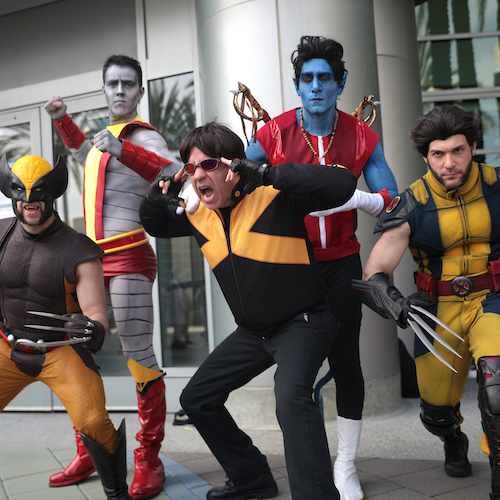 In 1959, C. Wright Mills described “the sociological imagination” as “a quality of the mind that seems to most dramatically promise an understanding of ourselves in connection with larger social realities.” In the main seminar in this FIG, Sociology 196, we will apply key sociological concepts and methods to fandom communities as both subcultures and sites for exercising that sociological imagination. Fandom communities are often described as driven by “feels”: fans’ intense emotional investments in particular stories and characters, and corresponding ideas about how people are or should be. The creation and celebration of “transformative works” such as visual art (drawings, cosplay, video edits, etc.) and fan fiction are major “ritual practices” in fandom that can communicate a range of actual or ideal norms and values. Common “alternate universe” tropes found in fan works, like coffee shop AUs, the “Omegaverse,” or multi-fandom “mashups,” for example, may reinforce existing social structures or suggest profound alternatives to them. We will consider fan communities as social groups whose members are concerned with developing and transmitting social norms, maintaining cohesion, etc. but also with imagining current and future answers to Mills’ guiding questions for sociologists:
The linked classes will add valuable context, tools, and perspectives to our analysis of fans as social meaning makers and fan works as modern folklore in a participatory culture characterized by polymedia communication. Folklore 100: Introduction to Folklore — Surveys folklore in the United States and around the world, with a comparative emphasis on ways in which individuals and groups use beliefs, songs, stories, sayings, dances, festivals, and artifacts to address issues of identity, authenticity, and authority, in complex societies. Journalism and Mass Communication 162: Mass Media in Multicultural America — An introduction to the roles and functions of print, film, electronic and digital media in multicultural America. International comparisons highlight differences and commonalities in the social and cultural position of mass media in societies with racially and ethnically diverse populations. |
| 26fig03 | 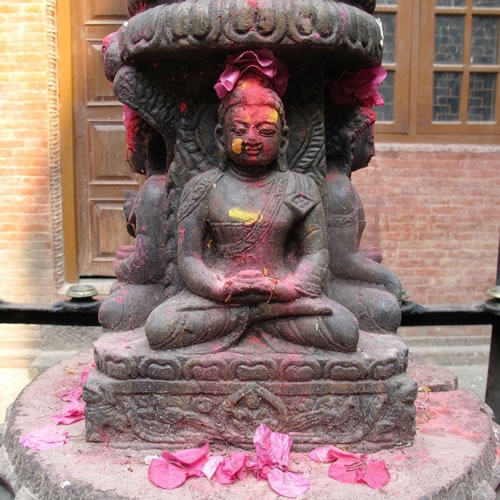 In the main seminar in this two-class FIG, Integrated Liberal Studies 110: Body, Mind, Spirit, and the Yoga Tradition, we will study yoga as it is taught and represented in the classic literary texts of several South Asian Cultures. In discussing poems and songs from traditions as diverse as Tibetan Buddhism, Kashmiri Shaivism, and Hindu Epic, we will examine how these expressions of yoga have impacted the lives of practitioners in different cultures and how they relate to yoga as it continues to be practiced in various forms today. Our readings will also look into connections between yoga and spiritual practices such as Sufi mysticism and Zen meditation. You will apply what we are learning in our readings and discussions as we practice the physical postures and breathing techniques of yoga each Friday. No prior yoga experience is expected. The other classes in this FIG will enhance our exploration of these topics. Religious Studies 102: Exploring Religion in Sickness and Health — This is an excellent companion course for students interested in the health sciences. Questions covered in this course include: What is religion? Sickness? Health? How can we understand their relationships? How do religious peoples understand and live in sickness and health? How does physical well-being connect to spiritual well-being? How does medicine connect to meaning-making? How does looking at religion in sickness and health provide insight into its roles in different cultures and contexts? From Southeast Asia to the Caribbean, Africa, and the Mediterranean, we’ll approach these questions using perspectives from anthropology, history, sociology, legal studies, and the medical sciences, among others. And we’ll come home to Wisconsin and the United States to examine these questions as well. |
| 26fig04 | 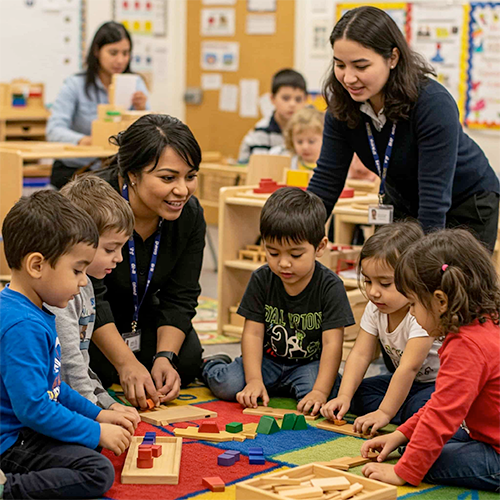 The main seminar in this FIG, Curriculum and Instruction 200, will focus on political, historical, and cultural aspects of how Chicana/o/x/e, Mexican American, and Latina/o/x/e students have experienced K–12 education in the United States. The big questions guiding this seminar include:
The two linked courses will add valuable insight and perspectives to our analysis of these and other related questions and issues. Educational Policy Studies 200: Race, Ethnicity, and Inequality in American Education — Explores the complex relationships among race, ethnicity and inequality in U.S. public education through theoretical, historical, social, and cultural frameworks and perspectives. Specifically, examine how schools serve are sites where racial/ethnic inequality is produced, reproduced, and resisted through institutional structures and the “everyday” practices of teachers, students, parents, and community members. Examine how race and ethnicity intersect with other identities (e.g., gender, social class, sexual orientation, etc.). It is centrally focused on K–12 education and working in multicultural contexts. Chicanx/e and Latinx/e Studies 201: Introduction to Chicanx/e and Latinx/e Studies — Introduction to the interdisciplinary study of Chicanx/e and Latinx/e peoples in the United States. Become acquainted with recent scholarly literature, paradigms, theories, and debates within Chicanx/e and Latinx/e studies pertaining to the historical, economic, cultural, and sociopolitical dimensions of the Chicanx/e and Latinx/e experience in the United States. |
| 26fig05 | 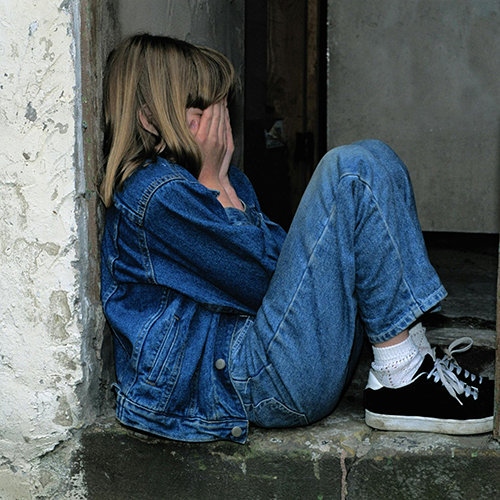 How do psychologists identify, think about, and address challenges children face? What makes a psychological approach to addressing challenges different from other kinds of approaches? How do psychologists evaluate how well their interventions help children? In this FIG seminar, we will consider children in multiple cultures and in diverse domains; for example: helping them learn to read, treating mental illness, reducing feelings of loneliness, promoting positive identity development, and addressing prejudice & discrimination. Our goal will be to understand what psychologists do (and don’t) know about how to solve problems in childhood. The other courses in this FIG will add valuable insights and context to our exploration of these issues. Sociology 120: Marriage and Family — Sociology of the family. Demographic, social-psychological, economic, and historical aspects. Union formation and dissolution. Childbearing and childrearing. Social stratification and the family. Intergenerational support. Social consequences of family behaviors. Gender and Women’s Studies 103: Gender, Women, Bodies, and Health — Examines both physiological and social processes relating to gender and health across the lifespan among cisgender, transgender, and nonbinary individuals. Examples of topics include hormonal processes, reproductive anatomy physiology, sexuality, sexual pleasure, chronic illness, depression, and sexual violence. A primary course objective is for students to connect information about their bodies and personal health to larger social and political contexts. In particular, consider how health and health disparities are shaped by multiple kind of social inequalities, particularly inequalities based on gender. |
| 26fig06 |  Children and adolescents spend much of their free time consuming media. This is not surprising given the explosion in digital media platforms, increased access to personal devices, and around-the-clock content streams. In the main seminar in this FIG, Journalism and Mass Communication 176: Children and Media, we will explore how children and adolescents interact with media, considering the potential for both positive and negative impacts on their lives. We will examine a wide range of traditional (e.g., television, movies) and digital media platforms (e.g., social media, cell phones, digital games). The course will be divided into three modules:
We will take a developmental approach to these topics, exploring the differences in how young children, tweens, and adolescents use, interpret, and respond to media within these three topic areas. The other courses in the FIG will add to our exploration of these issues. Educational Policy Studies 210: Youth, Education, and Society — Explores the study of youth through theoretical, historical, social, and cultural perspectives with a focus on Minoritized Youth; interrogates the concept of “youth” as a socially constructed category; examines how youth have been positioned within educational, political, economic, and social contexts; analyzes how youth’s racialized experiences intersect with other social identities: social class, gender, and sexuality. Themes explored: conceptions of youth as a social category, education and schooling, race, gender, sexuality, politics and activism, community-based learning, criminal justice, media, and popular culture. Uses historical and contemporary texts and current events to study the lived experiences of young people within diverse racial, cultural, gendered, sexualized and classed contexts. Reflect on own experiences as youth, their relationship to education and other social institutions, and how it informs understanding of society, educational theory and practice. Communication Arts 250: Survey of Contemporary Media— Key concepts for the critical analysis of television, film, radio, and digital media. Focusing primarily on meanings, aesthetics, technology, media industries, representations and audiences. |
| 26fig07 | 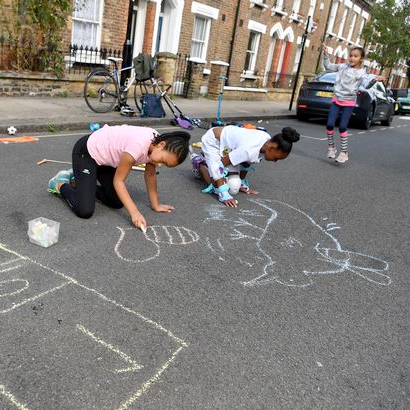 What does it mean to be a kid? What is it like to be a kid? In this FIG, we will see that the answers to these questions depend on children’s social contexts: who they are and where they live their lives. We will examine how the meaning of childhood has varied over time and across cultures, and how children’s experiences vary across different social groups. In doing so, we will recognize that children are shaped by their social contexts, but that they also play an active role in making sense of and responding to their social worlds. Finally, we will explore the challenges and inequalities that children face, and discuss strategies for leveling the playing field in families, schools, and communities. The other classes in the FIG will provide valuable insight, context, and theoretical perspectives that will deepen our analysis of these issues. Communications Arts 250: Introduction to Contemporary Media — Key concepts for the critical analysis of television, film, radio, and digital media. Focusing primarily on meanings, aesthetics, technology, media industries, representations, and audiences. Sociology 134: Sociology of Race and Ethnicity in the United States — This course explores the nature of intergroup relations with an emphasis on various forms of racism, discrimination, and white privilege; historical background and characteristics of American Indians, African Americans, Hispanic Americans, Asian Americans and other racial and ethnic minorities; a consideration of economic, housing, political, legal, educational, familial, and health challenges faced by minority groups in U.S. society. |
| 26fig08 |  From the Viking Age to the welfare state, sustainability has shaped central, eastern, and northern Europe. This FIG will explore cultural and environmental histories and contemporary issues in those regions. We will explore sustainability through the lens of folklore studies, asking questions about language, culture, economics, and, of course, the environment. In this class, German, Nordic, and Slavic 210: Cultures of Sustainability: Central, Eastern, and Northern Europe, we will use films and folktales, literature and legends, music and mythologies, and a host of other sources from different cultures to examine what sustainability is, was, and can be. We will be doing a lot of active learning and welcoming visitors to the classroom as we seek to ask more (and better!) questions. In doing so, we will aim to contextualize what sustainability means for individuals, communities, and countries. Along the way, we will learn what role we all play in understanding and engaging with local and global issues of sustainability. Environmental Studies 112: Social Science Perspectives — Explores different social science approaches to interpreting the relationship between environment and society at various scales, from the local to the global. Traces the social origins of environmental concerns, their social impacts, and the different responses they engender. Folklore 100: Introduction to Folklore — This class serves as an introduction to folklore; that is, the arts, beliefs, stories, sayings, customs, and ways of communication we engage with in our everyday lives. We will be examining a variety of folklore genres, while also learning about and employing the methods and practices of folklore scholars. By the end of the term, you will be able to better understand what folklore is, how and why it functions, and the many and often hidden ways that it is a part of our everyday lives. You will learn about ethnographic methods and techniques and how to use interviews, photography, and videography to document various genres of folklore. You will better understand what culture is, how it affects our everyday lives, and how it is transmitted, changed, created and recreated, lost, found, and reclaimed. |
| 26fig09 | 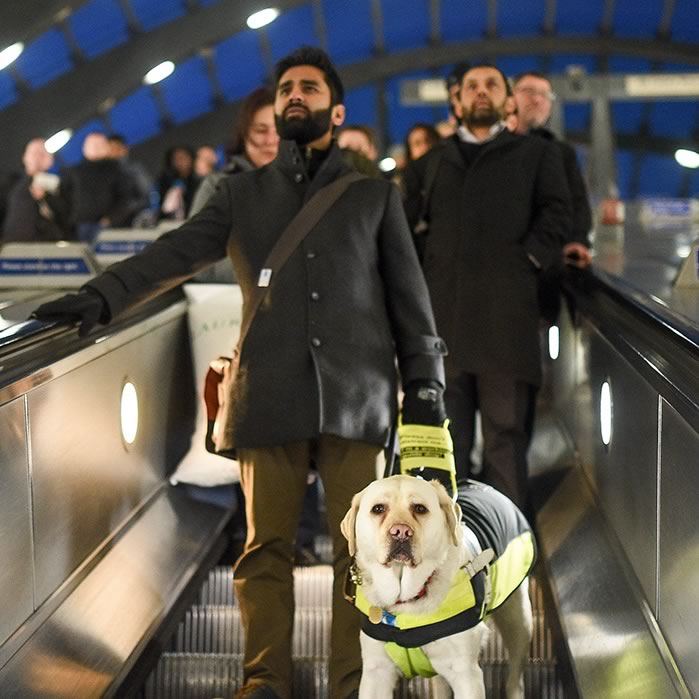 This focus of the main seminar in this FIG, Rehabilitation Psychology and Special Education 210: The Disability Experience, is the modern disability experience, with an emphasis on disability justice and advocacy. In this course, we will analyze the concept of “disability” in multiple ways and in multiple contexts—looking at both medical and social models of disability, with the goal of understanding how these models affect the lives of disabled people. We will examine the foundational implications of the disability rights movement and how it relates to current disability justice and advocacy actions. Throughout, our goal will be to understand how societal attitudes affect the lives of people with disabilities and develop strategies to modify them by considering the role of power and the impact of bias, stigma, stereotypes, and prejudice in the lives of disabled people. We will take an intersectional approach to understanding the experience of disability, including the implications of living with multiple minoritized statuses (BIPOC, LGBTQIA+, etc.). As a result, you will become more confident and effective advocates for the full participation and inclusion of disabled people in everyday society. The other courses in this FIG will add to our understanding of these issues. Rehabilitation Psychology and Special Education 300: Individuals with Disabilities — This class is designed to introduce you to the history, etiology, and characteristics of different types of disability. It incorporates hands-on learning as you participate in a community-based project to learn about services and supports available to adults and youth with disabilities in the local community. Psychology 202: Introduction to Psychology — This course focuses on behavior, including its development, motivation, frustrations, emotion, intelligence, learning, forgetting, personality, language, thinking, and social behavior. |
| 26fig10 | 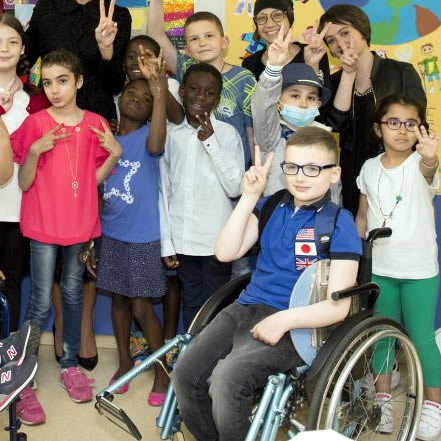 This FIG will provide experiences, knowledge, and skills to be an advocate for educational equity and excellence in the field of special education. We will examine the connections between disability, race/ethnicity, and culture, in education and society in the United States, and supports and services that promote meaningful inclusion in community and educational settings. The main seminar in this FIG, Rehabilitation Psychology and Special Education 200: Issues in Special Education, will examine the educational experiences of students with disabilities through an intersectional lens. We will cover services, models, and outcomes of special education instruction that promote inclusivity in education. Learning opportunities and activities will include exploration of campus resources to enhance and expand on the ideas presented in the course. Our discussions and learning experiences in this course will be informed by and complement the content covered in the two linked classes in this FIG. Rehabilitation Psychology and Special Education 300: Individuals with Disabilities — This class is designed to introduce you to the history, etiology, and characteristics of different types of disability. It incorporates hands-on learning as you participate in a community-based project to learn about services and supports available to adults and youth with disabilities in the local community. English 100: Introduction to College Composition — Focuses on development of rhetorical reading, listening, and writing abilities; provides practice in written and spoken communication (emphasis on writing); develops information literacy; provides a foundation for a variety of college course work and post-college careers. |
| 26fig11 | 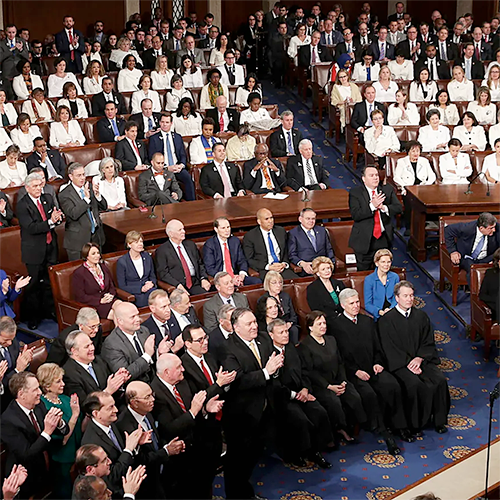 The main seminar in this FIG will take a deep dive into the increasing challenges of political polarization, the rise of populism, and the threats to democracy in the United States and around the world. As political divisions deepen and trust in democratic institutions erodes, we’ll explore big questions: Why are people more polarized than ever? What makes populist leaders so appealing? How do democratic institutions weaken, and what can be done to protect them? The course will tackle key topics like media influence, misinformation, political rhetoric, social identity politics, and the erosion of democratic norms, using real-world case studies to explore how democracies falter—and how they can be rebuilt. Drawing from psychology, political science, and media studies, you will sharpen your ability to think critically about the current political climate. Sociology 134: Sociology of Race and Ethnicity in the United States — This class examines social structures that shape and are shaped by race, ethnicity, racism, and racial/ethnic inequalities. You will learn to understand race and ethnicity as social constructs, and learn how race and ethnicity exist within social structures and institutions. Psychology 120: The Art and Science of Human Flourishing — Explore perspectives related to human flourishing from the sciences and humanities; investigate themes such as transformation, resilience, compassion, diversity, gratitude, community; expand self-awareness, enhanced social connectivity, and ability to change; formulate a sense of what it means to lead a flourishing life that sustains meaningful and fulfilling engagement with studies, relationships, community, and career. |
| 26fig12 | 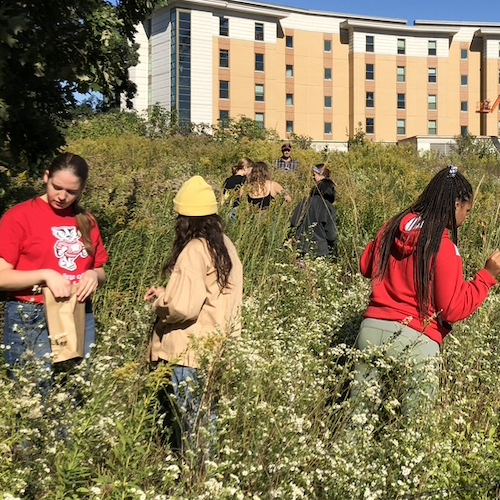 In this main FIG seminar, Landscape Architecture 106: Earth Partnership: Indigenous Arts and Sciences, we will explore the intersection of indigenous knowledge and Western science as we experience the culture and ecology of place. We will seek to foster an appreciation for the fundamental importance of diverse cultural perspectives and knowledge systems, as we examine our relationship with the environment. Throughout this experiential course, we will incorporate respect and reciprocity for the land and our community through the process of ecological restoration and stewardship. Together these classes are ideal for students passionate about the environment, education, and Indigenous ways of knowing. History 190: Introduction to American Indian History — A broad survey of American Indian history which centers Indigenous peoples, communities, and nations in the context of U.S. policy and culture that emphasizes decolonial methods and Native ways of knowing the past. Environmental Studies 255: Introduction to Sustainability Science — Explore the foundations of sustainability using the UW-Madison campus as a living laboratory. Ground your feet on the UW–Madison campus and ask questions about the energy we use, the food we eat, the air we breathe, the land we occupy, the goods we purchase, and the waste we create. A blend of environmental sciences and studies. Use principles of chemistry, physics, and biology to understand the dynamics of our human and earth systems, but also explore societal issues like public health and social justice, all through the context of sustainability and the UW–Madison campus community. |
| 26fig13 | 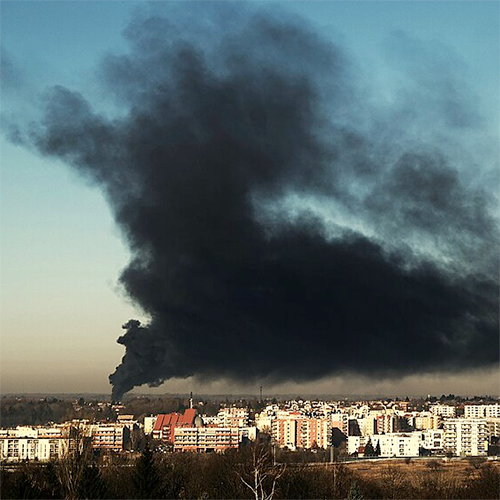 As human populations continue to grow, understanding how we influence the environment is a critical first step to learning how we can protect both natural ecosystems and human health. One of the key ways humans affect the environment is through the creation and spread of pollutants. Pollutants come in many forms and can have effects on levels ranging from the molecular, to the individual, to whole communities, to regional ecosystems, and even to planetary-wide systems. In the main seminar in this FIG, Forest and Wildlife Ecology 105, you will:
Overall, our goal will be to learn and to raise awareness about these dynamics, while also developing the skills to communicate effectively about them. The other courses in this FIG will help develop these skills and add to our exploration of these important issues. Geography 139: Global Environmental Issues — Explores the global and local nature of environmental problems, including issues of climate change, food, energy, globalization, deforestation, biodiversity loss, resource access, environmental justice, and population. Considers how we should analyze and act on environmental problems as we confront the apparently daunting scale of such issues. What appear to be single global environmental issues are actually composed of many smaller, context-specific, and place-dependent problems or conflicts. Through an interdisciplinary and geographic perspective, these issues can be understood and addressed at the scale of our lived lives. Life Sciences Communication 100: Science and Storytelling — Fundamentals of effective written and spoken communication. Develops skills in gathering and evaluating information, writing research papers and other documents, and preparing and delivering oral presentations. |
| 26fig14 | 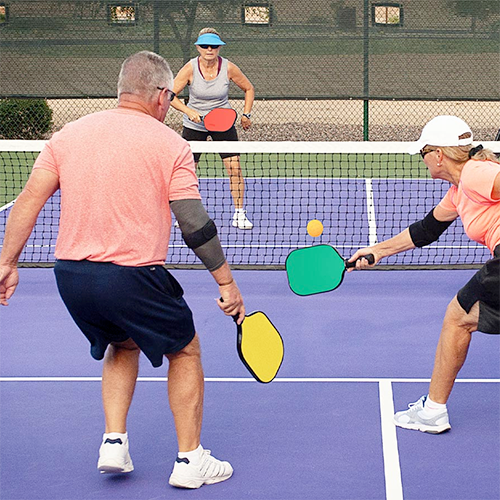 The main seminar in this FIG examines the transformative power of physical activity for health and well-being, posing a critical question: If exercise is medicine, then why is our society experiencing an epidemic of inactivity and its many health-related consequences? Despite compelling evidence of the physical, mental, and emotional advantages of regular movement, sedentary lifestyles and chronic disease rates persist. This class draws on applied exercise physiology, health education, medicine, healthcare economics, and public policy to dissect the complex barriers hindering active living. Together, we will investigate how physical activity prevents chronic disease, improves mental health, optimizes sleep, and enhances cognitive function. Through active participation in a variety of physical activities, you will directly experience these benefits. This FIG is ideal for students passionate about promoting campus health and championing exercise as medicine, particularly those considering careers in health or life sciences. This FIG will empower you to not only understand the science of ‘exercise as medicine’ but also to advocate for its vital role in a healthier future. The other classes in the FIG will add valuable perspectives and insights to our exploration of these important topics. Psychology 120: The Art and Science of Human Flourishing — Explore perspectives related to human flourishing from the sciences and humanities; investigate themes such as transformation, resilience, compassion, diversity, gratitude, community; expand self-awareness, enhanced social connectivity, and ability to change; formulate a sense of what it means to lead a flourishing life that sustains meaningful and fulfilling engagement with studies, relationships, community, and career. Sociology 134: Sociology of Race and Ethnicity in the United States — The nature of intergroup relations; emphasis on various forms of racism, discrimination, and white privilege; historical background and characteristics of American Indians, African Americans, Hispanic Americans, Asian Americans and other racial and ethnic minorities; a consideration of economic, housing, political, legal, educational, familial, and health challenges faced by minority groups in U.S. society. |
| 26fig15 |  Thinking about majoring in a bioscience field? Explore exciting bioscience topics and opportunities at UW–Madison in this FIG. In Integrated Science 100: Exploring Biology you will:
The course is organized around four topics that relate to biology in Wisconsin, with each topic led by a different instructor. We will explore science affecting residents in Wisconsin, look at Wisconsin biological systems as examples of concepts, and learn about how research being done at UW–Madison is contributing to discoveries in biology. Note: “Exploring Biology” is not an introductory biology course. It is a first-year seminar—intended to be taken before the introduction biology series—that helps students to explore a variety of bioscience topics, careers, and campus opportunities. Four Exploring Biology FIGs are brought together into one combined course: you will be grouped with other students in your FIG and work closely with an instructor and peer leader throughout the semester as you engage in interactive and collaborative activities. This class will be taught in a blended format, with students engaging in-person during class and completing activities online. This format will give you the opportunity to form meaningful connections with classmates, to learn at your own pace and time, to engage in a variety of types of activities, and to develop skills to be successful in online and in-person courses. Quotes from past FIG students:
English 100: Introduction to College Composition — Focuses on development of rhetorical reading, listening, and writing abilities; provides practice in written and spoken communication (emphasis on writing); develops information literacy; provides a foundation for a variety of college course work and post-college careers. |
| 26fig16 |  Thinking about majoring in a bioscience field? Explore exciting bioscience topics and opportunities at UW–Madison in this FIG. In Integrated Science 100: Exploring Biology you will:
The course is organized around four topics that relate to biology in Wisconsin, with each topic led by a different instructor. We will explore science affecting residents in Wisconsin, look at Wisconsin biological systems as examples of concepts, and learn about how research being done at UW–Madison is contributing to discoveries in biology. Note: “Exploring Biology” is not an introductory biology course. It is a first-year seminar—intended to be taken before the introductory biology series—that helps students to explore a variety of bioscience topics, careers, and campus opportunities. Four Exploring Biology FIGs are brought together into one combined course: you will be grouped with other students in your FIG and work closely with an instructor and peer leader throughout the semester as you engage in interactive and collaborative activities. This class will be taught in a blended format, with students engaging in-person during class and completing activities online. This format will give you the opportunity to form meaningful connections with classmates, to learn at your own pace and time, to engage in a variety of types of activities, and to develop skills to be successful in online and in-person courses. Quotes from past FIG students:
Anthropology 105: Principles of Biological Anthropology — Genetic basis of morphological, physiological and behavioral variations within and between human populations, and their origins and evolution. |
| 26fig17 |  Thinking about majoring in a bioscience field? Explore exciting bioscience topics and opportunities at UW–Madison in this FIG. In Integrated Science 100: Exploring Biology you will:
The course is organized around four topics that relate to biology in Wisconsin, with each topic led by a different instructor. We will explore science affecting residents in Wisconsin, look at Wisconsin biological systems as examples of concepts, and learn about how research being done at UW–Madison is contributing to discoveries in biology. Note: “Exploring Biology” is not an introductory biology course. It is a first-year seminar—intended to be taken before the introductory biology series—that helps students to explore a variety of bioscience topics, careers, and campus opportunities. Four Exploring Biology FIGs are brought together into one combined course: you will be grouped with other students in your FIG and work closely with an instructor and peer leader throughout the semester as you engage in interactive and collaborative activities. This class will be taught in a blended format, with students engaging in-person during class and completing activities online. This format will give you the opportunity to form meaningful connections with classmates, to learn at your own pace and time, to engage in a variety of types of activities, and to develop skills to be successful in online and in-person courses. Quotes from past FIG students:
Interdisciplinary Courses (SoHE) 201: Belonging, Purpose, and the Ecology of Human Happiness: EcoYou — This class explores the art and science of purposeful living by integrating academic knowledge with issues real and relevant to students’ lives including: identity and belonging; happiness, purpose and meaning; self-awareness and self-presentation; romantic, peer and family relationships; material culture, consumer behavior and financial well-being; and connections to community, culture, and society. From the microbes that inhabit our guts to political revolutions sparked by a tweet, human lives are embedded in an ecology of complex, interdependent systems. Using the lens of human ecology, you will address “big questions” like: How am I connected to others and to larger systems? What brings happiness and works for the “greater good” in human lives? An overarching goal of the class is to help you understand yourself as embedded in the web of ever-evolving interconnected networks, an “EcoYou.” Human ecology is a systems approach to studying and understanding relationships between humans and their everyday environments; it is a civic and socially conscious orientation that is committed to understanding and improving the quality of human lives. Human ecology is inherently interdisciplinary drawing on research, theories and methods from diverse fields such as sociology, psychology, anthropology, economics, public health, biology, and art and design. English 100: Introduction to College Composition — Focuses on development of rhetorical reading, listening, and writing abilities; provides practice in written and spoken communication (emphasis on writing); develops information literacy; provides a foundation for a variety of college course work and post-college careers. |
| 26fig18 |  Thinking about majoring in a bioscience field? Explore exciting bioscience topics and opportunities at UW–Madison in this FIG. In Integrated Science 100: Exploring Biology you will:
The course is organized around four topics that relate to biology in Wisconsin, with each topic led by a different instructor. We will explore science affecting residents in Wisconsin, look at Wisconsin biological systems as examples of concepts, and learn about how research being done at UW–Madison is contributing to discoveries in biology. Note: “Exploring Biology” is not an introductory biology course. It is a first-year seminar—intended to be taken before the introductory biology series—that helps students to explore a variety of bioscience topics, careers, and campus opportunities. Four Exploring Biology FIGs are brought together into one combined course: you will be grouped with other students in your FIG and work closely with an instructor and peer leader throughout the semester as you engage in interactive and collaborative activities. This class will be taught in a blended format, with students engaging in-person during class and completing activities online. This format will give you the opportunity to form meaningful connections with classmates, to learn at your own pace and time, to engage in a variety of types of activities, and to develop skills to be successful in online and in-person courses. Quotes from past FIG students:
Gender and Women’s Studies 103: Gender, Women, Bodies, and Health — Information on physiological processes and phenomena relating to health (for example, menstruation, pregnancy) and ill health (for example, cancer, maternal mortality, depression). Attention to how bodies are located in social contexts that influence health and illness. Explorations of how multiple kinds of social inequalities shape health and health disparities. Information on roles that female-assigned and women-identified people play as health-care consumers, activists, and practitioners. |
| 26fig19 | 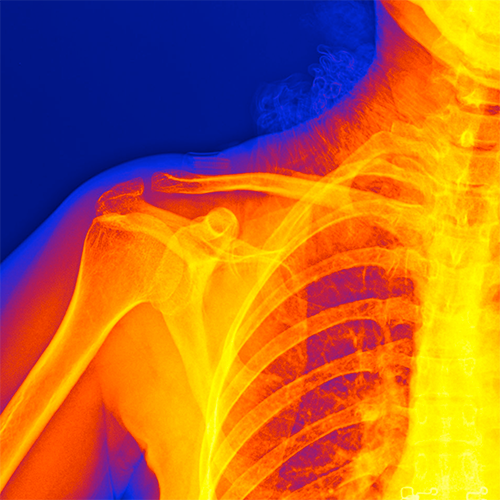 The main seminar in this FIG, Physics 120, will focus on the discovery and history of x-rays, the machines that produce x-rays, the different x-ray techniques, and the exciting and creative ways that x-rays can reveal all kinds of insights about the world around us. Since their discovery in 1895, x-rays have fundamentally changed our understanding of many things. While most people are familiar with medical x-rays, the development of powerful x-ray sources including synchrotrons, x-ray free-electron lasers, and most recently, ultrafast tabletop x-ray instruments, has led to an incredible breadth of research. Besides imaging our bones and teeth, x-rays have been used to discover the molecular structure of our DNA, find new advanced materials and drugs, observe photosynthesis in real time, identify geological cores, uncover hidden writings in ancient texts, reveal the chemical ghosts of 100-million-year-old fossils, and show us the 3D inside of an Egyptian mummy. With the emergence of powerful new x-ray sources, many more applications will likely become possible in the future. Our goal in this introductory-level FIG will be for everyone in the class to get a glimpse of the excitement of seeing the world with different “eyes.” Along the way, you also will gain confidence in their ability to understand important aspects of physics, which are accessible to everyone. The other classes in the FIG will provide helpful content, skills, background, and opportunities to consider new questions that may be explored using these techniques. History of Science 201: The Origins of Scientific Thought — Emergence of scientific method and scientific modes of thought out of ancient philosophical and religious traditions; the impact of ancient science on medieval Christendom; the origins and development of the Copernican-Newtonian world view. Chemistry 103: General Chemistry I — Stoichiometry and the mole concept, the behavior of gases, liquids and solids, thermochemistry, electronic structure of atoms and chemical bonding, descriptive chemistry of selected elements and compounds, intermolecular forces, and chemistry laboratory skills. |
| 26fig20 | 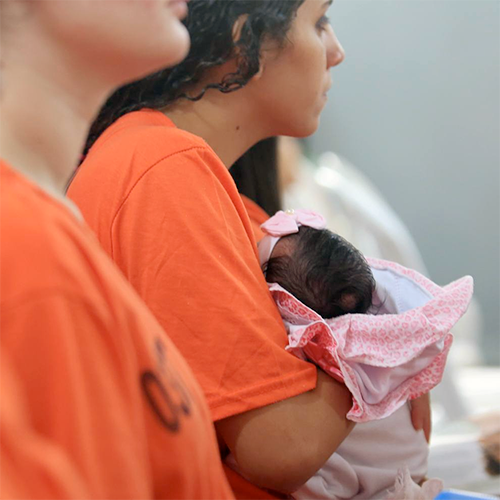 The main seminar in this FIG explores the intersection of families and the criminal legal (or justice) system. We will examine the consequences of incarceration on parents and children, as well as interventions and policies that aim to mitigate the harm caused by justice-system involvement. To improve our understanding of the local justice system context, we will learn about incarceration in Wisconsin and will have an opportunity to visit a prison and/or jail. We also will consider contemporary reform efforts by looking at a range of perspectives from incremental reforms to abolition, and we will explore the social factors shaping these efforts. Finally, we will examine alternatives to incarceration for parents, an underdeveloped strategy in the United States but one with promise and important potential in these high-stakes situations. The other courses in the FIG will add valuable insights and perspectives to our exploration of these issues. This FIG might be a good fit for students interested in social justice, legal studies and law, human development and family studies, psychology, public and social policy, as well as those interested more broadly in community-engaged scholarship. Legal Studies 131: Criminal Justice in America — Day-to-day functioning of the elements of the criminal justice system in the United States. Nature of crime in the United States, ideas about causes and solutions. Emphasis on the sociology of the components of criminal justice system—organization and roles of police, lawyers, court, and correctional personnel. History 154: Who is an American? — Organized around the title question: “Who is an American?” Explores how answers to that question have changed over time, focusing on people whose actions and ideas shaped those answers. Rather than an overview of U.S. history, this class focuses on a variety of topics related to our central theme, moving roughly chronologically from the Revolutionary era to the present. Covers the history of racial ideologies and racial inequities, arguments over citizenship and “American” identity, and the ways that various groups have been included or excluded from the nation. |
| 26fig21 | 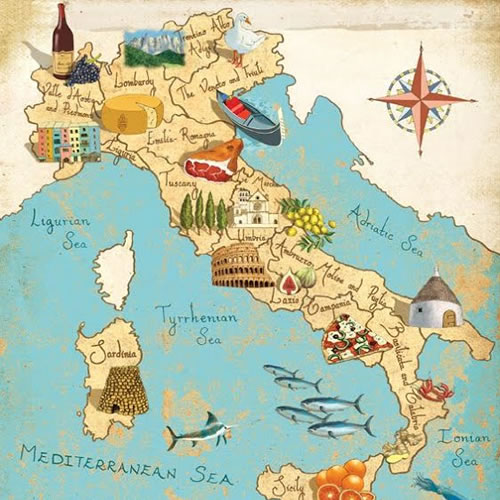 Are you curious about Italian food, literature, and culture? The main seminar in this FIG focuses on representations of food in Italian literature and the connection between food and identity in Italy and in places influenced by Italian culture. Food will be a central theme in all of the materials we explore and students will have a chance to develop their skills in literary analysis as we read novels, short stories, poems, including Italian crime stories and a sub-genre of novels with recipes. You will investigate the symbolic representation of food in Italian fiction, the politics and gender of food, and the history and philosophy of the Slow Food movement. You will learn about the great migration of peoples from Italy to North America since the end of the 19th century and explore the importance of food in Italian American communities (including Madison), and the relationship between food and identity in multicultural Italy today. Along the way, we will explore all kinds of interesting topics, including:
Throughout the course, you will be engaged in hands-on learning. We will visit Special Collections at the Memorial Library for a close look at Italian manuscripts and rare books; we will participate in two cooking classes in a UW kitchen-lab, making dishes featured in our readings; and we will explore the local food history of the Greenbush (the Italian American community in Madison). You also will be encouraged to attend some extracurricular activities such as an Italian farm-to-table picnic, an international Harvest Festival, and a film screening. The two linked classes (Italian 101 and Anthropology 104) and the optional seminar (Plant Science 372) will provide useful connections and synergies. Anthropology 104: Cultural Anthropology and Human Diversity — Introduction to cultural anthropology. Comparative cross-cultural consideration of social organization, economics, politics, language, religion, ecology, gender, and cultural change. Includes a primary focus on U.S. ethnic and racial minorities. Italian 101: First Semester Italian — Get closer to Italian culture, including food, while learning one of the great languages of the world. Buon appetito! Optional: Plant Science 372: Seminar in Organic Agriculture — Faculty, regional professionals, local organic farmers, and students present and discuss topics relevant to history, marketing, economics, production, and social context of organic and sustainable agriculture. |
| 26fig22 | 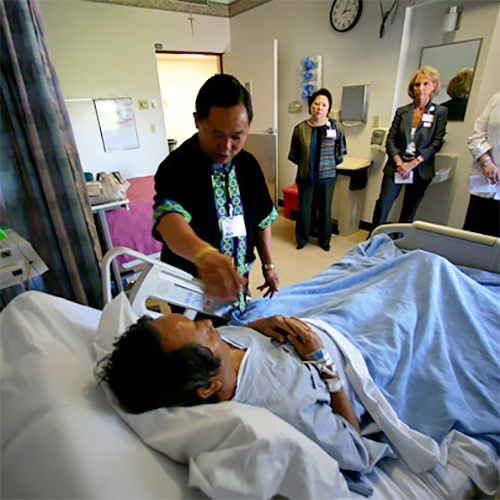 In the main seminar in this FIG, Religious Studies 102: Exploring Religion in Sickness and Health, we will seek to understand the multiple ways that people make meaning and sense of, as well as decisions about, sickness and health in a range of religious traditions and beyond what might be commonly considered “religious.” The goal of this FIG is to strengthen the preparation of students interested in healthcare professions by giving them frameworks through which they can build the skills and understandings they will need to be effective professionals in a wide range of healthcare-related fields and communities. A guiding principal of this FIG is that recognizing and understanding how religion or meaning-making functions is a matter of individual and public health. Public Affairs and Public Policy 201: Introduction to Health Policy in the United States — Offers an introduction to health policy in the United States. Examines the ways in which government plays a role in the provision and regulation of health care. Explores key aspects of health policy including the economics of health care (e.g., paying for and access to health care; the health care workforce; the role of markets and consequences of market/government failures, public policy that supports or promotes health; health care outcomes, quality, and disparities; and tools for evaluation) and special topics of interest such as policy addressing risky health behaviors, aging, mental health, and the Affordable Care Act. Think critically about public and private health issues using the policy analysis process, including policy interventions and their justifications, and gain skills in articulating and communicating policy positions. |
| 26fig23 | 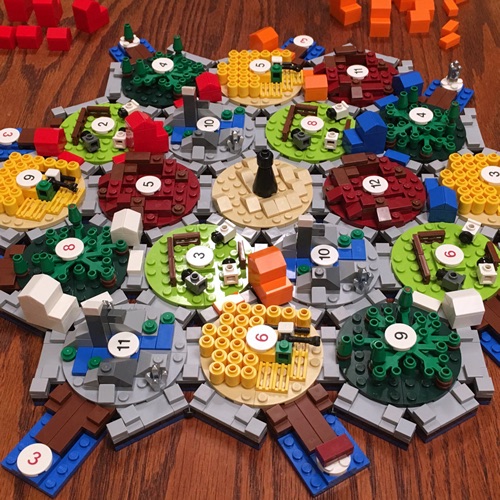 In this main FIG seminar, Curriculum and Instruction 357: Game Design I, you will develop fundamental skills in designing interactive systems through the design, construction, and analysis of playable game prototypes. You will work collaboratively to create a variety of projects including: board games, card games, social and performative games, and interactive fiction/nonfiction. This class is aimed at students who are interested in games as an art form and does not require any prior coding or game design experience. The other classes in this FIG will inform our understanding of design, communication, and representation. Sociology 134: Sociology of Race and Ethnicity in the United States — The nature of intergroup relations; emphasis on various forms of racism, discrimination, and white privilege; historical background and characteristics of American Indians, African Americans, Hispanic Americans, Asian Americans, and other racial and ethnic minorities; a consideration of economic, housing, political, legal, educational, familial, and health challenges faced by minority groups in U.S. society. Communication Arts 200: Introduction to Digital Communication — An introduction to digital communication and how it shapes our everyday lives. You will develop digital communication skills, explore digital media tools and trends, and examine expressions of power online. |
| 26fig24 | 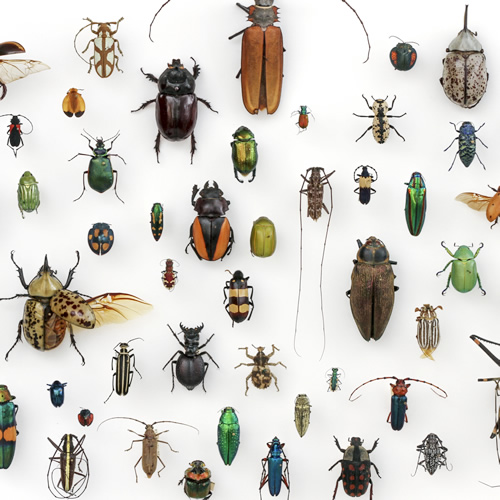 You will first explore global biodiversity: what it is and why it is both important and in peril. We will then focus on the role of taxonomy in biodiversity. Finally, we will turn our attention to insects—by far the most diverse group of multi-cellular organisms on Earth, accounting for more than 58% of all known global biological diversity and some 70% of all animal diversity. Yet most insects go unnoticed by the average human and the few that receive our attention usually do so by negative attributes of their biology or association with us. This is a shame, since many fundamental advances in medical and biological sciences from molecular biology to genetics, from biodiversity to behavior, and from phylogenetic systematics to global climate change have been based on entomological research. Insects are central to agricultural production both as competitors and essential pollinators, and they play a significant role in human health as well as insights into forensic sciences. With background information developed in the linked classes, the main seminar in this FIG, Entomology 375: Biodiversity and Sixth Extinction, will begin to frame a more realistic picture of insect diversity. You will explore what the immense richness of species means not only to the human species but to the very health of the planet. We will offer hands-on and experiential learning opportunities that will highlight FIG concepts and bring us together on an eye-opening journey. Entomology 201: Insects and Human Culture — Importance of insects in the human environment, emphasizing beneficial insects, disease carriers, and agricultural pests that interfere with our food supply. Environmental problems due to insect control agents will also be discussed. Agricultural and Applied Economics 244: The Environment and Global Economy — The “economic way of thinking” about global and regional environmental issues. Topics include climate change, biodiversity preservation, ocean fisheries, environmental impacts of international trade, poverty and the environment, and sustainability. |
| 26fig25 |  This FIG invites first-year students to explore college life from a global perspective. In the main FIG seminar, Educational Leadership and Policy Analysis 156, we will discuss how globalization and internationalization shape higher education systems and student experiences in different places around the world. Both international and U.S. students are welcome, and all will be able to learn and contribute. Through discussions, activities, and collaborative projects, we will engage with diverse perspectives on higher education—and foster intercultural awareness and understanding in the process. The linked classes will add valuable context and perspectives to our exploration of our world, our challenges, and the ways we can learn about and from each other. History 146: A Global History of Now — An introduction to key historical events, movements, and systems that have shaped our present moment. Examines the relationship between empire-building and anti-colonial movements from the late 18th century to the current day. Focuses on the political, economic, and social/cultural dimensions of major global history themes, such as colonialism, capitalism, and revolution. Anthropology 104: Cultural Anthropology and Human Diversity — Introduction to cultural anthropology. Comparative cross-cultural consideration of social organization, economics, politics, language, religion, ecology, gender, and cultural change. Includes a primary focus on U.S. ethnic and racial minorities. |
| 26fig26 |  In the main seminar in this FIG, Geography 175, we will explore the international dimensions of poverty and social vulnerability: key underlying factors affecting human health, environmental management and social conflict. You will develop an understanding of poverty and food insecurity, their underlying causes, and how they relate to human health and the environment. More specifically, we will learn about:
Multiple perspectives on these issues will be presented in readings and discussed in class. While the class will seek to understand global processes and international differences, case material will come primarily from developing countries of the Global South. Within the Global South, one the poorest and most food insecure regions of the world—the Sahelian Region of West Africa, including the countries of Senegal, Mali, Burkina Faso, Niger, and Chad—will be a particular focus. The struggles of this region’s people have strongly influenced international understandings of the relationships among food insecurity, the environment, and human health. Despite this regional emphasis, participants will have opportunity to study in more detail the relationships of poverty, nutrition, and environment in geographical areas of most interest to them, including the United States, in group and individual work. We also will use content from the other courses in this FIG to inform our analysis of these issues. Anthropology 104: Cultural Anthropology and Human Diversity — Introduction to cultural anthropology. Comparative cross-cultural consideration of social organization, economics, politics, language, religion, ecology, gender, and cultural change. Includes a primary focus on U.S. ethnic and racial minorities. Plant Pathology 311: Global Food Security — Isn’t having enough food a basic human right? Exploration of the drivers of food insecurity: barriers to food production (pests, land availability, climate), barriers to food availability (politics, price, biofuels), and a greater need due to population growth. Examination of solutions to food insecurity. |
| 26fig27 |  The United States spends more on medical care than any other country and yet ranks relatively poorly on many indicators of health. Why are there so many health inequities across different population groups within the United States, such as health inequities by race, class, and gender? How does where you live, work, and play affect your health? How do our social, economic, and political conditions “get under the skin” to affect our health? The main seminar in this FIG, Social Work 275: Contemporary Issues in Social Welfare, integrates knowledge from many disciplines to introduce you to some of the social, economic, and political factors that influence health and create health inequities. We also will explore a range of approaches to address these health inequities, such as through policy change, program development, and community organizing. The other courses in the FIG will add to our exploration of these important issues. Sociology 134: Sociology of Race and Ethnicity in the United States — The nature of intergroup relations; emphasis on various forms of racism, discrimination, and white privilege; historical background and characteristics of American Indians, African Americans, Hispanic Americans, Asian Americans, and other racial and ethnic minorities; a consideration of economic, housing, political, legal, educational, familial, and health challenges faced by minority groups in U.S. society. Public Affairs & Public Policy 201: Introduction to Health Policy in the United States — Offers an introduction to health policy in the United States. Examines the ways in which government plays a role in the provision and regulation of health care. Explores key aspects of health policy including the economics of health care (e.g., paying for and access to health care; the health care workforce; the role of markets and consequences of market/government failures, public policy that supports or promotes health; health care outcomes, quality, and disparities; and tools for evaluation) and special topics of interest such as policy addressing risky health behaviors, aging, mental health, and the Affordable Care Act. Think critically about public and private health issues using the policy analysis process, including policy interventions and their justifications, and gain skills in articulating and communicating policy positions. |
| 26fig28 |  The main seminar in this FIG will explore five dimensions of wellness—physical, emotional, social, intellectual, and occupational—to understand how each contributes to your overall health, wellbeing, and quality of life. We will learn about on-campus resources that support each dimension, and you will discover how to access these resources while you develop and apply practical skills, grounded in theory, to implement meaningful behavior changes and promote wellness across all dimensions. Our goal will be to engage in critical reflection on the challenges and barriers you face in achieving your desired health outcomes and to cultivate strategies to overcome these obstacles to support sustainable wellness practices today and in the future. The other courses in the FIG will add valuable perspectives and opportunities to reflect on these issues. This FIG may be a good fit for people seeking to enhance their personal wellness and for those who want to explore the field of health promotion. Students interested in Health Promotion and Health Equity, Kinesiology, and other pre-health majors may find this FIG to be particularly helpful. Counseling Psychology 237: Mental Health, Self-Awareness, and Social Justice: Working in Diverse Communities — Designed to increase knowledge, awareness, and skills of students interested in working on mental health matters within diverse identity groups and communities. Conceptualize mental health and well-being across communities in terms of (a) intersectional identities (individual and groups), (b) mental health and access and utilization of services, and (c) social determinants of health in different contexts and settings. Engage in reflective exercises to understand how their social identities influence their work in different types of communities. English 100: Introduction to College Composition — Focuses on development of rhetorical reading, listening, and writing abilities; provides practice in written and spoken communication (emphasis on writing); develops information literacy; provides a foundation for a variety of college course work and post-college careers. |
| 26fig29 |  For almost as long as humans have been using language, there have been efforts to improve on naturally occurring languages with invented or designed alternatives. In this class you will explore the basic design features of natural language by studying their invented or constructed counterparts. In addition to studying prior efforts to invent languages, you will create your own novel system. *Note: the topics of this class are natural human languages and languages invented for use in literature and media as well as for experiments and games. This course will not teach or focus on programming languages. The main seminar in this FIG will focus primarily on the following questions:
Communication Arts 260: Communication and Human Behavior — Concepts and processes relevant to the study of communication and human behavior including approaches to communication inquiry, the dynamics of face-to-face interaction, and the pragmatic and artistic functions of public communication. |
| 26fig30 |  How does magic influence our knowledge and understanding of the natural world? What happens when you hold beliefs that run counter to the authority of prevailing wisdom? Who gets to decide what is possible? In the main seminar in this FIG, English 141: A Discovery of Witches, we will read science fiction along with excerpts from alchemical manuals, pre-modern mathematics and astronomy, and other scientific and magical texts as we examine these and other big questions. Our goal will be to explore the intersections of science, philosophy, magic, and storytelling. The other courses in this FIG will add historical context and helpful disciplinary perspectives to our exploration of magic and adventure in the Age of Science. Integrated Liberal Studies 201: Western Culture: Science, Technology, Philosophy I — What does science have to do with religion? What does it mean to have expertise about the natural world? And what difference do politics and funding sources make to scientific investigation? Learn how to think critically and historically about science in this course by exploring such fundamental questions across two millennia. We begin with Babylonian astrology and ancient Greek mythology and philosophy, then follow the movement of the Greek classical tradition into medieval Islam and Christendom, and finally turn to the 'revolution' in science of the 16th and 17th centuries with Copernicus, Galileo, Descartes, and Newton. These historical investigations provide vital insights into our ideas of the 'natural', scientific observation, and experiment, as well as into our expectations of scientific knowledge and the scientific enterprise. Folklore Program 100: Introduction to Folklore — Surveys folklore in the United States and around the world, with a comparative emphasis on ways in which individuals and groups use beliefs, songs, stories, sayings, dances, festivals, and artifacts to address issues of identity, authenticity, and authority in complex societies. |
| 26fig31 | 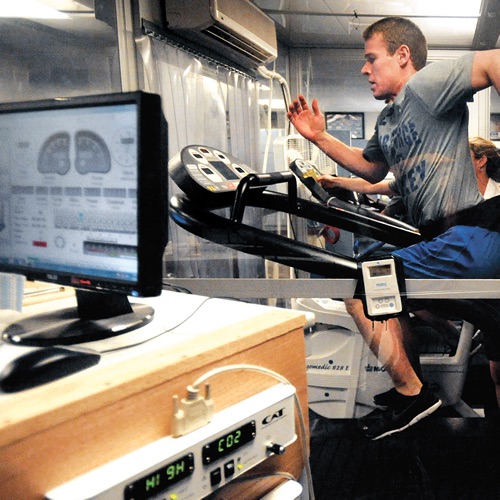 Are you interested in kinesiology? The central theme of this FIG is the definition and measurement of physical activity behavior. This is an important issue in the field of kinesiology because of the challenges involved with exercise prescription. Additionally, accurate and consistent measurements of physical activity behavior are needed to examine potential dose-response relationships between physical activity and health outcomes. The main FIG seminar, Kinesiology 112: Make It Count: Measuring Physical Activity Behavior, will provide an opportunity for you to use numbers, equations, and kinesiology-related definitions to address the exercise measurement challenge. Throughout the semester, we will examine the definition of and recommendations for physical activity provided by the American College of Sports Medicine to various populations. As a result of this FIG, you will be able to:
Mathematics 112: College Algebra — This class introduces polynomial equations, remainder and factor theorems, functions, graphs of functions, simultaneous linear equations, logarithm and exponential functions, sequences and series, mathematical induction, binomial theorem. English 100: Introduction to College Composition — Focuses on development of rhetorical reading, listening, and writing abilities; provides practice in written and spoken communication (emphasis on writing); develops information literacy; provides a foundation for a variety of college course work and post-college careers. |
| 26fig32 |  From organ transfer to surrogate motherhood, medical practices have been radically transformed by new medical technologies over the last few decades. Often hailed as “medical miracles,” these technological innovations can change the way we are born, live, and die, radically reshaping our experience with aging and disease. The main seminar in this FIG will explore some of the ethical, social, and cultural questions raised by these medical developments. How much plastic surgery might one undergo in pursuit of the “perfect body”? Is competing with a prosthetic leg cheating? Is it ethical to pay for a kidney or a fertilized egg? Does Ozempic contribute to reinforcing weight stigma? While most medical technologies have originated in the United States and Western Europe, medical innovations are being increasingly globalized, raising important questions at home and abroad about the distribution of risks and benefits, health disparities across and within nations, and social justice concerns more broadly. The other courses in the FIG will provide valuable insights and perspectives that will deepen our engagement with these issues. Given the breadth of topics we will cover, this FIG will likely appeal to students interested in the ethical and sociocultural dimensions of health and health care, along with those interested in sociology, gender and women’s studies, health equity, and global health. Gender and Women’s Studies 101: Gender, Women, and Cultural Representation — A humanities-oriented analysis of cultural representations of women and men within the social and historical contexts of race, class, gender and sexuality; engages with a range of traditions and modes of representation including literature, mass media and popular culture. History of Science 212: Bodies, Diseases, and Healers: An Introduction to the History of Medicine — A survey of different conceptions of how the body as a site of sickness has been understood from Antiquity to contemporary medicine. Includes consideration of the origins and evolution of public health, the changing social role of healers, and the emergence of the modern “standardized” body in health and illness. |
| 26fig33 | 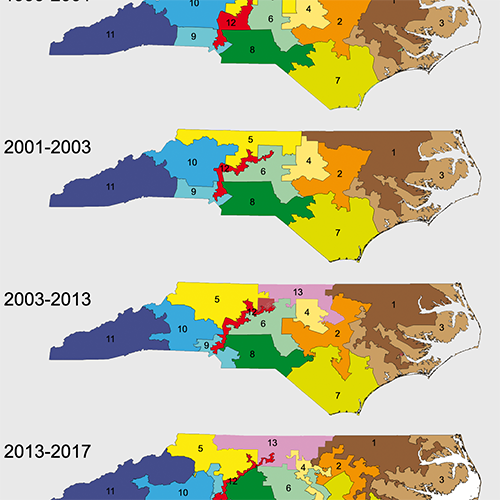 The main seminar in this FIG will explore the role of maps and spatial data in popular culture, serving as an excellent introduction to cartography, GIS, and spatial data science. We will see how maps and data help us “think spatially” both cognitively and culturally, enable us to navigate and modify our environments, and support collective decision making from the local to the global. We will use an experiential learning approach and our activity-based classes that will help ground concepts in meaningful local campus contexts. Throughout the class, students will be encouraged to consider and reflect on how our beliefs and views impact the ways we capture and represent our world through maps and spatial data products. We will explore how maps serve as tools for change, enabling both positive and negative impacts. The other classes in the FIG will add valuable perspectives to our exploration of these topics. This FIG will likely be appealing to students interested in the intersections of data science and visual communication, particularly those interested in geography, political science, international studies/relations, environmental sciences, cognitive science, computer science, information science and technology, journalism and mass communication, psychology, and sociology. Environmental Studies 112: Social Science Perspectives — Explores different social science approaches to interpreting the relationship between environment and society at various scales, from the local to the global. Traces the social origins of environmental concerns, their social impacts, and the different responses they engender. International Studies 101: Introduction to International Studies — Introduces the field of international studies, and performs an interdisciplinary examination of the cultural, political, economic, and social patterns that have defined the modern world. |
| 26fig34 | 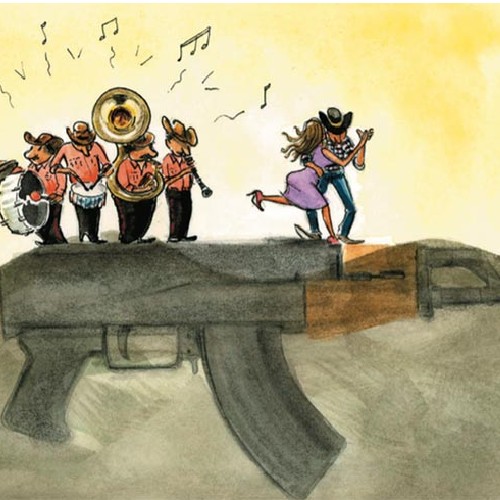 In this main FIG seminar, Integrated Liberal Studies 109: Narco Culture in Latin America, we will consider contemporary social problems in Latin America through the perspective of literature and cinema. In the first part of the course, we will explore the problem of gendered violence and human trafficking. In the second, we will study issues related to drug trafficking in Latin America and ponder on the so-called “narco-culture” of this region. Throughout the course, we will see emerging and vibrant cultural movements—some building on ethnic identity—that are reflected in a range of media and featuring new narrators who are providing a sense of hope in the region. The course begins with classic Latin American authors such as Gabriel García Márquez and ends with contemporary writers. Our overall goal is to gain an appreciation of the cultural context necessary for us to understand a range of important contemporary social issues in the region. Sociology 134: Sociology of Race and Ethnicity in the United States — This course explores the nature of intergroup relations with an emphasis on various forms of racism, discrimination, and white privilege; historical background and characteristics of American Indians, African Americans, Hispanic Americans, Asian Americans, and other racial and ethnic minorities; a consideration of economic, housing, political, legal, educational, familial, and health challenges faced by minority groups in U.S. society.
Chicanx/e and Latinx/e Studies 201: Introduction to Chicanx/e and Latinx/e Studies — Introduction to the interdisciplinary study of Chicanx/e in the United States. You will become acquainted with recent scholarly literature, paradigms, theories, and debates within Chicanx/e studies pertaining to the historical, economic, cultural, and sociopolitical dimensions of the Chicanx/e experience in the United States. |
| 26fig35 | 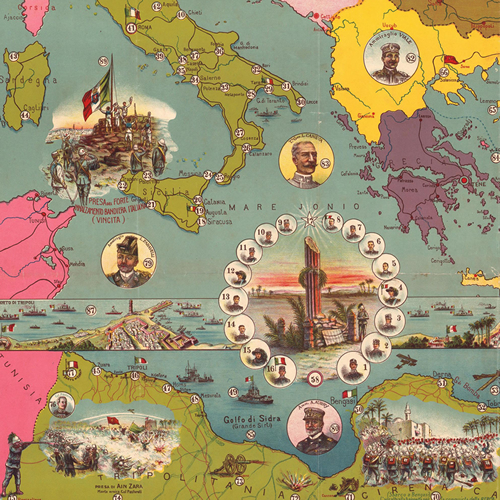 What is a national identity in the context of the fluid globalized world in which we live? How are identities affected by big migratory waves within the same country and, more importantly, from one country or continent to another? The Italian case is one of the many in the so-called Western world that can help us to monitor the possible answers to these questions. Through readings and discussions, we will follow the history of Italy from the Risorgimento (the revolutionary upheaval that led to the unification of the country in 1860) through the two World Wars, and Fascism up to the present time. One of the aims of the main FIG seminar is to analyze the rhetoric used in different periods to understand issues of national identity according to the following historical phases: struggle for the unification of Italy; colonial campaigns; Fascism; and migration from and to Italy in the twentieth and early twenty-first centuries. Through this study of the Italian case, you will become more knowledgeable and aware of the historical development of a European country that was central in the nineteenth century for its struggle to unify, and crucial to the history of the Western countries for the infamous Fascist regime. By studying the Italian case especially through the concerns raised by colonialist politics and migration issues, you will be able to relate not only to what happened and is happening in one major country in Europe, with possible references to the situations in France and Germany, but also to similar issues in the United States (the Italian migration to the United States is a good example). The goal is to help you develop and strengthen their knowledge of a different culture and history as it intersects with your own. History 120: Europe and the Modern World: 1815 to the Present — This survey of modern European history stretches across more than two centuries of political and social transformation, beginning with the aftermaths of the French Revolution and concluding with today's war in Ukraine. Three sets of questions will guide us through this vast topic: Why was Europe's modern history so violent, punctured by war, regime change, and revolution? When did Europeans begin to identify as members of distinct nations, and why did many come to believe that each nation should have its own state? Finally, how were Europeans' ideas about race, nationhood, and modernity shaped by encounters with peoples and cultures beyond Europe? To answer these questions, we will assess an array of primary sources that illuminate how diverse Europeans, both elites and ordinary people, experienced the ruptures of their modern history. Our sources include a novel, a film, political manifestos, memoirs, photographs, and more. We will also examine a number of themes that are critical for understanding the world today, including the growth of capitalism; formation of nation-states; rise of democratic politics; shifts in gender roles; and emergence of ideologies such as liberalism, conservatism, nationalism, socialism, and fascism. Political Science 140: Introduction to International Relations — This class covers the major issues in international relations since the end of World War II including: the causes of war; civil wars and ethnic conflict; economic development; international trade; exchange rates and international monetary relations; international capital flows and financial crises; foreign direct investment; globalization and the environment; international organizations like the United Nations, the International Monetary Fund, the World Bank, and the World Trade Organization; and international law and human rights. The focus is on states’ relations with each other and the factors determining the nature and outcomes of these international interactions. The course seeks to develop analytical tools for thinking about important questions in world politics regardless of the countries or issues involved, to examine international affairs in a systematic way. |
| 26fig36 | 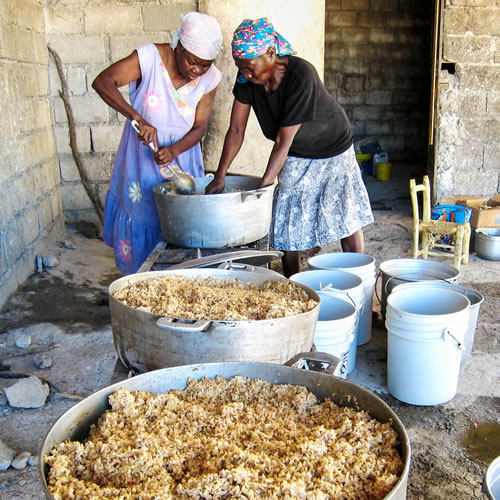 Are you curious about who gets access to food? And how much food is there? In this FIG, you’ll dig into what it really means to be food secure—and who gets left out—by exploring how biology, policy, and global systems intersect in ways that impact people, communities, and the planet every day. Plant Pathology 155: Food Frontlines: Security, Sustainability, and Survival and Plant Pathology 311: Global Food Security work together to help you understand why food insecurity happens and how science can help solve it. Instead of memorizing facts, you’ll tackle real problems, debate solutions, and practice critical thinking. The Food Security deep-dive course is especially interactive—you and your classmates will lead discussions, explore topics that interest you, and unpack how all these issues connect. What you’ll do:
Questions you’ll explore:
Biology 151: Introductory Biology — Topics include: cell structure and function, cellular metabolism (enzymes, respiration, photosynthesis), information flow (DNA, RNA, protein), principles of genetics and selected topics in Animal Physiology. |
| 26fig37 |  This FIG is designed to bring together students with an interest in veterinary and/or human health and infectious diseases, to explore the central theme of One Health: a concept making the connections between human health and the health of animals and the environment. Topics of interest include:
This FIG will highlight the relationship between human and animal health and the natural world using examples and case studies. We will focus on how animal and ecosystem health are inextricably connected with human health and well-being. This FIG will contribute to intercultural knowledge and competence and to ethical reasoning and actions. The instructors are scientists with expertise in global health, parasitology, and vector biology. Part of the FIG will focus on diseases and environmental risks that have disproportionate impacts on low and middle income countries and will include discussions of the ethical issues associated with addressing some of these problems. Entomology 205: Our Planet, Our Health — An introduction to the multiple determinants of health, global disease burden and disparities, foundational global health principles, and the overlap between ecosystem stability, planetary boundaries, and human health. Explore the core fundamentals of global health scholarship, including but not limited to infectious disease, sanitation, and mental health, and also consider ecological perspectives on these issues through the lens of planetary boundaries. Attention is placed on how human-mediated global change (e.g. climate change, biodiversity loss, land-use patterns, geochemical cycling, agricultural practice) impacts human health and the ecosystem services we depend on. An overview of pertinent issues in sustainability science and planetary health discourse, including the Anthropocene and resilience to understand and critically assess global trends. International Studies 101: Introduction to International Studies — Introduces the field of international studies, and performs an interdisciplinary examination of the cultural, political, economic, and social patterns that have defined the modern world. |
| 26fig38 | 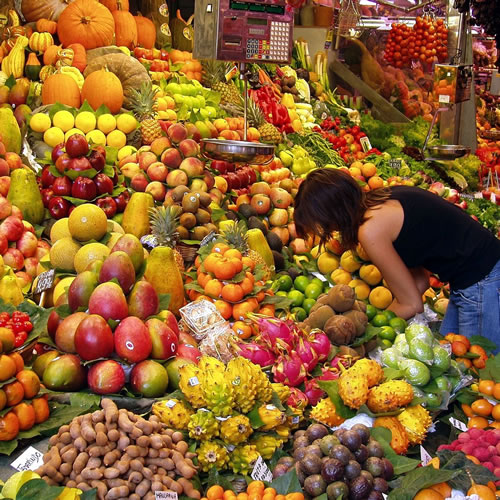 The main seminar in this FIG, Plant Science 350: Plants and Human Well-being (and its discussion section Plant Science 351), focuses on various aspects of well-being associated with plants, plant materials, landscapes, and plant products, including aesthetics, food, medicine, fiber, art, psychoactive substances, and stimulants. This class includes lectures, discussions, hands-on demonstrations, and short field trips and will allow students to build a sense of community while also helping integrate content from the other class in the FIG. This topic will likely appeal to students interested in horticulture, biology and food systems, medicine and public health, human cultural diversity, and geography. Anthropology 104: Cultural Anthropology and Human Diversity — Introduction to cultural anthropology. Comparative cross-cultural consideration of social organization, economics, politics, language, religion, ecology, gender, and cultural change. Includes a primary focus on U.S. ethnic and racial minorities. |
| 26fig39 |  The main seminar in this FIG explores connections between politics and tourism in Africa, past and present. A key question we will consider is how the history of African tourism reflects larger political trajectories and cultural concerns in the continent and beyond. We will examine different kinds of tourism: nature tourism (aka safaris), volunteering tourism, political tourism by world leaders, poverty tourism, small-town tourism development in southern Africa, heritage tourism of diaspora Africans, and contemporary African travel bloggers. You will be encouraged to think critically about individuals on the continent and beyond who have differently imagined lived realities and politicized experiences in Africa through varied forms of tourism. To investigate these issues, we will draw on materials and methods from diverse disciplines and sources, including comic strips, graphic novels, animated cartoons, newspapers, films, podcasts, documentaries, Instagram, street art, and scholarly texts. The other courses in the FIG will add valuable context and perspectives to our exploration of these issues and materials. Political Science 140: Introduction to International Relations — This course covers the major issues in international relations since the end of World War II including: the causes of war; civil wars and ethnic conflict; economic development; international trade; exchange rates and international monetary relations; international capital flows and financial crises; foreign direct investment; globalization and the environment; the United Nations, the International Monetary Fund, World Bank, World Trade Organization, and other international organizations; and international law and human rights. The focus is on states’ relations with each other and the factors determining the nature and outcomes of these international interactions. The course seeks to develop analytical tools for thinking about important questions in world politics regardless of the countries or issues involved, to examine international affairs in a systematic way. |
| 26fig40 |  Primates are amazing animals for many reasons, including their social complexity, long lives, and behavioral flexibility. They are the closest living relatives to humans, and therefore everything we learn about them gives us insight into ourselves. Sadly, two-thirds of all primates are now threatened with extinction. In the main seminar in this FIG, Anthropology 120, we will explore the basics of primate behavior, ecology, and conservation. We will evaluate the threats to primates at local, regional, and global scales and consider ways to protect the habitats of these important animals that are so connected with our own natural history. The other classes in the FIG will add to our exploration of these issues. Zoology 101: Animal Biology — General biological principles. Topics include: evolution, ecology, animal behavior, cell structure and function, genetics and molecular genetics and the physiology of a variety of organ systems emphasizing function in humans. Geography 139: Global Environmental Issues — Explores the global and local nature of environmental problems, including issues of climate change, food, energy, globalization, deforestation, biodiversity loss, resource access, environmental justice, and population. Considers how we should analyze and act on environmental problems as we confront the apparently daunting scale of such issues. What appear to be single global environmental issues are actually composed of many smaller, context-specific, and place-dependent problems or conflicts. Through an interdisciplinary and geographic perspective, these issues can be understood and addressed at the scale of our lived lives. |
| 26fig41 |  The main seminar in this FIG, English 174: Protest Literature, will introduce you to protest literature from the United States in the twentieth and twenty-first centuries. We will read mostly new material published in the last few years so we can hear what authors are saying in response to our particular historical moment. Through our readings and discussions, we will seek to understand how a diverse set of writers respond(ed) to the social and political issues of their time. Our goal will be to learn about creative ways people engage with and shape social movements and you will have the opportunity to develop your own ideas about effective ways to use your voice. The other courses in the FIG will add important context and disciplinary insights that will deepen our understanding of these issues. History 154: Who is an American? — Organized around the title question: “Who is an American?” Explores how answers to that question have changed over time, focusing on people whose actions and ideas shaped those answers. Rather than an overview of U.S. history, this class focuses on a variety of topics related to our central theme, moving roughly chronologically from the Revolutionary era to the present. Covers the history of racial ideologies and racial inequities, arguments over citizenship and “American” identity, and the ways that various groups have been included or excluded from the nation. Journalism and Mass Communication 162: Mass Media In Multicultural America — An introduction to the roles and functions of print, film, electronic and digital media in multicultural America. International comparisons highlight differences and commonalities in the social and cultural position of mass media in societies with racially and ethnically diverse populations. |
| 26fig42 |  The FIG will focus on the history of LGBTQ+ movement-building in the United States through analysis of queer arts—including visual culture, literature, music, theater—produced by LGBTQ+ people across the twentieth century. As a history course, we will seek to understand the contexts and perspectives of people in the past, paying special attention to how people utilized the arts to build LGBTQ+ community, education and pride across race, class, dis/ability, and variety of identities. Assignments and discussions will help you:
This FIG will appeal to students who are interested in LGBTQ+ history; students interested in issues of representation and self-representation and how that has changed across time; students interested in queer arts and analysis; students seeking an intellectual landing place emphasizing the significance of marginalized identities and communities in the past and present. The other courses in this FIG will provide valuable perspectives and context for understanding these topics. Communication Arts 250: Introduction to Contemporary Media — Key concepts for the critical analysis of television, film, radio, and digital media. Focusing primarily on meanings, aesthetics, technology, media industries, representations, and audiences. |
| 26fig43 |  Tropical rainforests and coral reefs are more than just awe-inspiring landscapes; they are the biological engines of our planet. Despite covering only a small fraction of Earth’s surface, these ecosystems house the a majority of our world’s species and provide the essential services that sustain human life. In Botany 265: Rainforests and Coral Reefs, you won’t just study these two communities; you’ll explore the intricate connections between marine biology and terrestrial ecology, and their global importance to humans. Together, we’ll tackle big questions like:
From the Classroom to the Caribbean. — This FIG goes beyond the textbook. You will design and develop your own original research project, and have the chance to carry it out during an optional summer-break field expedition to Belize. You will put your semester of learning into practice as you snorkel along the world’s second-largest coral reef, hike through lush tropical rainforests, and gain authentic research experience. From Foundations to the Big Picture. — The beauty of a FIG is that your classes don’t exist in a vacuum. You’ll navigate your first semester with a tight-knit cohort of peers, exploring how chemistry and environmental policy intersect with the ecology of the world’s most biodiverse places. Environmental Studies 139: Global Environmental Issues — The Big Picture: We’ll zoom out to look at the “human footprint.” This course examines the intersection of climate change, biodiversity loss, and environmental justice. You’ll learn how seemingly daunting global problems can be solved at many scales—from individuals to multinational agreements—to save Earth’s biodiversity. Chemistry 103: General Chemistry I — The Foundation: To understand life, you have to understand the matter that builds it. You’ll explore stoichiometry, chemical bonding, and intermolecular forces, giving you the tools to understand the physical and chemical processes that allow rainforests and reefs to function. Join this FIG to:
|
| 26fig44 | 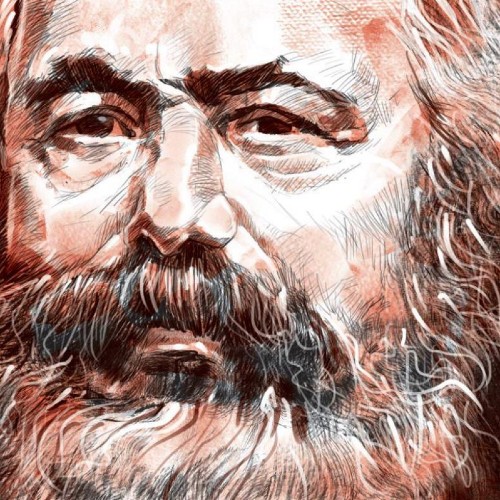 The nineteenth-century German philosopher Karl Marx is among the most referenced yet least understood thinkers. This FIG introduces you to Marx and his writings by reading selections of his most important works, by situating those works in their historical context, and by tracing the legacy of those works in the revolutions of the twentieth century. The main seminar will be organized around the key ideas Marx developed across his life: alienation, historical materialism, and capitalist reproduction. Throughout, we will pay special attention to how Marx thinks, his method of argumentation and critique, and consider how Marxist theory and analysis offer a unique set of tools for the study of capitalist society, via cultural production, from our contemporary moment back to its origins in sixteenth-century England. History 120: Europe and the Modern World: 1815 to the Present — This survey of modern European history stretches across more than two centuries of political and social transformation, beginning with the aftermaths of the French Revolution and concluding with today’s war in Ukraine. Three sets of questions will guide us through this vast topic: Why was Europe’s modern history so violent, punctured by war, regime change, and revolution? When did Europeans begin to identify as members of distinct nations, and why did many come to believe that each nation should have its own state? Finally, how were Europeans’ ideas about race, nationhood, and modernity shaped by encounters with peoples and cultures beyond Europe? To answer these questions, we will assess an array of primary sources that illuminate how diverse Europeans, both elites and ordinary people, experienced the ruptures of their modern history. Our sources include a novel, a film, political manifestos, memoirs, photographs, and more. We will also examine a number of themes that are critical for understanding the world today, including the growth of capitalism; formation of nation-states; rise of democratic politics; shifts in gender roles; and emergence of ideologies such as liberalism, conservatism, nationalism, socialism, and fascism. Philosophy 101: Introduction to Philosophy — An introduction to some of the major problems and methods of philosophy. We will consider topics from ethics/moral philosophy, political philosophy, metaphysics, epistemology, and the philosophy of religion. Among the questions we will discuss are: What is good and bad? What makes an action right or wrong? What is happiness? Must you be a morally good person in order to be happy? Are we obliged to obey the state and its laws? What is the nature of reality—what kinds of things are really real? What is knowledge and how do we acquire it? Are human beings free? Is the belief in God a matter of knowledge or only a matter of faith? Would immortality be desirable? And, of course, the best question of all: What is the meaning of life? The readings include Plato, Aristotle, Epictetus, Epicurus, Descartes, John Stuart Mill, Immanuel Kant, Jean-Paul Sartre, and a number of contemporary philosophers. |
| 26fig45 |  In the main seminar in this FIG, Religious Studies 214, we will analyze the ways religious groups understood the creation of the First Amendment to the United States’ Constitution in the 1780s and consider how these religious and legal understandings have evolved as the First Amendment was interpreted and reinterpreted throughout American history. We will use American Jewish communities’ engagement with the Supreme Court as a special case study. Our goal will be to understand how arguments presented to the Supreme Court attempt to define the position of practitioners of different traditions, the clergy, and nonreligious Americans in lasting ways that influence how religions are practiced. We also will consider the intended and unintended consequences that occur (particularly for minority religions) when these cases set precedents for all Americans. The other courses in the FIG will add to our examination of these issues. Jewish Studies 203: Jewish Law, Business, and Ethics — Explores the development of Jewish law from antiquity to modernity, with a focus on legal questions related to business practices and ethics. Consider issues ranging from ethical practices in agriculture to how to run a modern multibillion-dollar kosher industry; from the ethics of Jews celebrating Thanksgiving to regulations governing the preparation, consumption, and sale of coffee. Legal Studies 213: Introduction to Law and Humanities — Introduction to the dynamic relationship between law and the humanities, examining how legal systems both shape and are shaped by cultural, historical, and philosophical contexts. Through the study of literature, philosophy, history, pop culture, religious studies, and the arts, critically engage with the fundamental question of what law is and reframe legal concepts such as justice, rights, authority, and morality. Engage in the discussion of representative works of the discipline, different methodologies, and the ideas of key thinkers to highlight the humanistic dimensions of law. By analyzing court cases, historical sources, fiction, films, and philosophical writings, develop a deeper understanding of how law functions, how it tells stories, and how law is not only as a set of rules but a cultural and moral artifact. |
| 26fig47 | 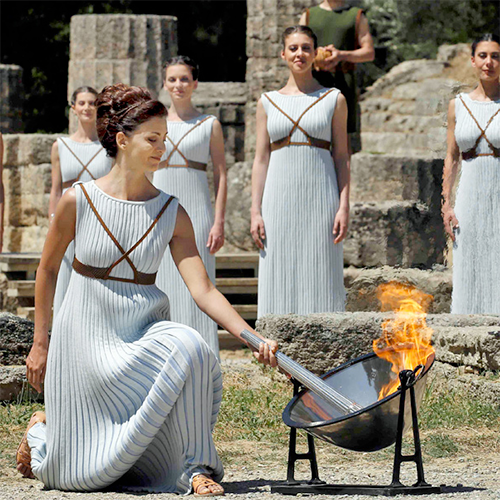 The main seminar in this FIG, Classics 102: Sports and Spectacles, explores ancient sports and spectacles in their mythic and historical contexts with the goal of helping us understand more broadly the values and structures that underlie athletic competition within a society. We will examine a wide variety of ancient materials and reflect on sports and games in myth and religion. We will learn about the history of the Olympics and other Panhellenic/international competitions and we will explore ideas about the “athletic body,” including considerations of health and exercise, medicine, and age and gender in sports. Throughout, we will develop conceptual frameworks for connecting ancient sports to current deliberations on topics like masculinity, entertainment, violence, and identity. The other classes in this FIG will add to our exploration of these topics. Physics 106: Physics of Sports — A tenth of a second, a single inch, or a slightly different angle can make all the difference in a sporting event. Application of physical principles to competitive sport, leading to a better understanding of performances in such sports as track and field, cycling, archery, golf, football and basketball. History 136: Sport, Recreation, and Society in the United States — As much as we may try to convince ourselves that sport offers an escape from the “real world,” constant news of players’ strikes, stadium financing controversies, and the lack of diversity in league management remind us that we cannot separate the games we play and watch from the political, social, and cultural contexts in which they are embedded. Explore how sport has shaped and been shaped by major trends in American social, political, and economic history. The focus is not on player stats or the morning edition of SportsCenter, rather with serious historical arguments and debates about sport’s relationship to American capitalism, social movements, and urban development. Readings also provide a diverse set of perspectives on the politics of race, gender, and class in American sport in the twentieth century. |
| 26fig48 |  Through astronomy, the oldest science, this FIG connects the history of scientific thought with modern science. From the first humans watching the stars move to modern redshift surveys of galaxies, motions in the skies have been fundamental to our thinking about our place in the universe. We will use real and virtual astronomical experiences to explore how our understanding of planetary systems came to its modern form, from Aristotle to the discovery of exoplanets around other stars. You will emerge with an enhanced awareness of how our environment extends to the boundaries of the Solar System and your place within it. Along the way, you will achieve a deeper understanding and appreciation of the scientific way of knowing that plays such an important role in shaping our world today. This journey will be stimulated by the landmark philosophical work The Structure of Scientific Revolutions by Thomas Kuhn. In the FIG seminar, Interdisciplinary Courses (L&S) 107: How Astronomy Shapes Worldview, we will use hands-on, interactive astronomical observations, laboratory demonstrations, and inquiry activities to complement and contextualize your learning in the two linked classes. How do telescopes work? What are planets made of? How do spacecraft navigate through the Solar System? What is space weather? Observations of the sky will be an important part of your learning. Where will you find the moon tomorrow night? How do planets move during the semester? Our classroom will include the libraries, planetarium, and observatories on campus. In addition to the regular class time, you will participate in some out-of-class activities, both day and night, scheduled as weather permits. History of Science 201: The Origins of Scientific Thought — What does science have to do with religion? What does it mean to have expertise about the natural world? And what difference do politics and funding sources make to scientific investigation? Learn how to think critically and historically about science in this course by exploring such fundamental questions across two millennia. We begin with Babylonian astrology and ancient Greek mythology and philosophy, then follow the movement of the Greek classical tradition into medieval Islam and Christendom, and finally turn to the ‘revolution’ in science of the sixteenth and seventeenth centuries with Copernicus, Galileo, Descartes, and Newton. These historical investigations provide vital insights into our ideas of the ‘natural,’ scientific observation, and experiment, as well as into our expectations of scientific knowledge, the scientific way of knowing, and the scientific enterprise. Astronomy 104: Our Exploration of the Solar System — Humanity is linked to the solar system in countless ways. Our view of the solar system, how planets form, and how planetary systems evolve has fundamentally changed with the discovery of countless exoplanets around other stars. Join us in exploring the modern view of the solar system and its relation to other planetary worlds. Includes the sky and celestial motions; ancient astronomy; the Copernican revolution; gravity, orbits, and interplanetary travel; formation of solar system; survey of sun, planets and moons; asteroids, meteors and comets; discovery of exoplanets, and the origin of life. |
| 26fig49 |  How can performance represent understandings of the natural world and human perceptions of their place within it? How might performance enact or frame ecological and social justice? Whom or what can perform? The main seminar in this FIG will address these questions by integrating performance studies with ecology, examining their compelling and timely intersections. Students will use performance as a lens to explore a range of ecological issues, creating a unique and productive vantage point to explore some of the complex dilemmas of the current moment. We will cover a range of texts, performances, and performance-making techniques that enhance our understanding of the natural world, promote generative responses to climate change, and center more-than-human beings like dirt, plants, and animals. The linked courses will add valuable content and perspectives to our exploration. Environmental Studies 260: Introductory Ecology — The relationships of organisms and the environment. Population dynamics and community organization, human-environment relationships, action programs. |
| 26fig50 | 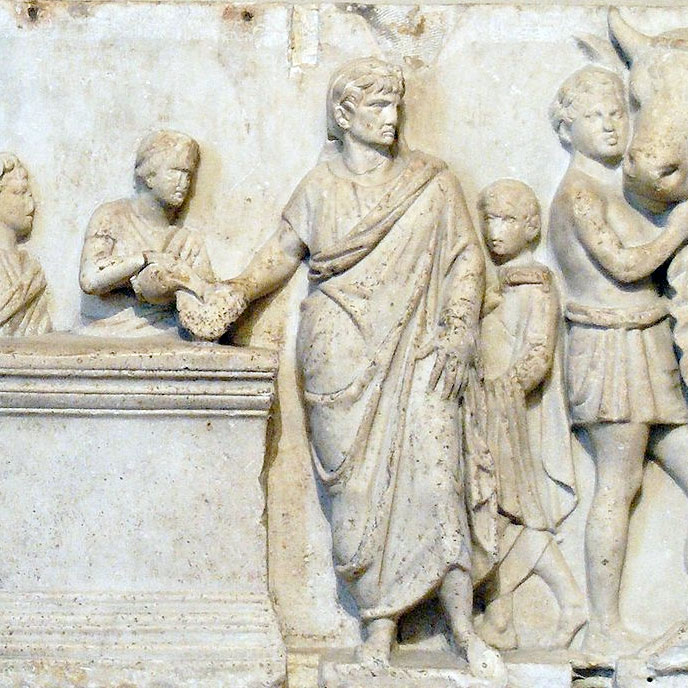 Virtue has a history. While some ideas of what is right and wrong are quite common across different cultures and eras, differences abound. For many of us, recognizing that the ethical system we learned in childhood is not universally shared by all humanity is one of the most destabilizing, challenging, and potentially liberating experiences we can have—and that is what we will find in this FIG. In the main seminar, History 100, we will addresses the issue of variation in moral systems by looking at continuities and Looking at the medieval Eastern Romans will allow us to see a Christian society using both the ancient Greek and the classical Roman texts to inform their sense of virtue. In our highly polarized contemporary political culture, it can be difficult to find any moral or political topics about which we do not already have fixed ideas; however, this FIG will allow us to develop fresh perspectives on our own ethical thinking, by exploring debates from the ancient world. We will learn that the ancient and medieval Greco-Roman world is foreign, surprising, and thus a good place to think through and independently develop our own ethical ideals. Students interested in law, government, politics, leadership, gender, and, of course, ancient and medieval studies, will relish this opportunity to explore virtue in the Greco-Roman world. The other courses in this FIG will bring a modern perspective to these issues. Legal Studies 213: Introduction to Law and Humanities — Introduction to the dynamic relationship between law and the humanities, examining how legal systems both shape and are shaped by cultural, historical, and philosophical contexts. Through the study of literature, philosophy, history, pop culture, religious studies, and the arts, critically engage with the fundamental question of what law is and reframe legal concepts such as justice, rights, authority, and morality. Engage in the discussion of representative works of the discipline, different methodologies, and the ideas of key thinkers to highlight the humanistic dimensions of law. By analyzing court cases, historical sources, fiction, films, and philosophical writings, develop a deeper understanding of how law functions, how it tells stories, and how law is not only as a set of rules but a cultural and moral artifact. Political Science 160: Introduction to Political Theory — Exploration of core problems of political life, such as the nature and limits of obligation, the concept of justice and its political implications, and the relationship between equality and liberty, through a selection of ancient and modern sources. |
| 26fig51 |  This FIG examines how war displaces people. While popular understanding usually emphasizes the desire for “better jobs” as the main cause of immigration, we will focus on the significant role that war plays in causing human displacement. We will examine four historical events in particular:
In addition to exploring how these conflicts influenced the movement of people, we also will examine how U.S. diplomatic and military objectives structure the legal designation of the displaced from refugees to asylum seekers to undocumented immigrants. Thus, we will examine forced displacement and resettlement in the United States as interrelated processes. Throughout our consideration of these issues, we will center the lived experiences of the displaced through memoirs, oral histories, graphic novels, and film. The other courses in this FIG will add valuable perspectives and context for our analysis of these issues. International Studies 101: Introduction to International Studies — Introduces the field of international studies, and performs an interdisciplinary examination of the cultural, political, economic, and social patterns that have defined the modern world. Sociology 170: Population Problems — Social, economic, and political problems affected by birth and death rates, population size and distribution, voluntary and forced migration. World ecology, limits to growth, economic development, international conflict, environmental quality, metropolitan expansion, segregation by age, race, and wealth. Policies affecting reproduction, nuptiality, morbidity, mortality, migration. |
| 26fig52 |  In the main seminar in this FIG, Scandinavian Studies 235: The World of Sagas, we will learn about the Norse people as they expanded through Europe and beyond. We will study their science and technology, environment, mythology, gender, economics, politics, and more. This class approaches the Vikings along historical lines and uses both texts from medieval sources and archeological materials. We will explore:
The starting point for this course is the images we already know of the Vikings, as seen in games like Assassin’s Creed: Valhalla, TV shows like The Vikings, or even movies like Marvel’s Thor. Where do these images come from and how are they formed in modern consciousness? Then we will look at the medieval Scandinavians themselves to learn what is known and what is not known about these people and their age. This FIG will appeal to students who are interested in learning about the present through the past and those with a specific interest in the Nordic countries. The other classes in this FIG will enhance our examination of these topics. Enrollment in an optional first-semester Norwegian, Swedish, or Danish class will enhance your understanding of the cultures of the region and is highly recommended. Folklore Program 100: Introduction to Folklore — Surveys folklore in the United States and around the world, with a comparative emphasis on ways in which individuals and groups use beliefs, songs, stories, sayings, dances, festivals, and artifacts to address issues of identity, authenticity, and authority, in complex societies. Optional language class: Scandinavian Studies 101: First Semester Norwegian (25599 or 27133) Scandinavian Studies 111: First Semester Swedish (25904) Scandinavian Studies 121: First Semester Danish (13363) |
| 26fig53 |  The main seminar in this FIG focuses on the craft of writing about quantitative topics. We will dissect exemplary pieces of writing and talk about how to effectively read and write pieces; this will involve work both on techniques of English prose writing (close reading of words and sentences, editing of self and others) and the special challenges of mixing words and numbers. The goal is to become stronger writers and more critical readers. This FIG will thus be particularly helpful for students who want to understand and share the kinds of information that are common in STEM fields like data science and mathematics, and in many policy-oriented fields that need to organize and present information through numbers, tables, and graphs, so that we are safe from being bullied by those quantitative tools and disciplined enough not to bully people with them ourselves. The main output of the seminar will be a well-polished, magazine-style piece, and we will be extensively workshopping and editing each other’s work as we go, as well as analyzing and editing (not just admiring!) published work from the outside world. The other courses in the FIG will provide valuable context and perspectives as we develop these insights and skills. Computer Sciences 220: Data Science Programming I — Introduction to Data Science programming using Python. No previous programming experience required. Emphasis on analyzing real datasets in a variety of forms and visual communication. |
| 26fig54 |  This FIG is about families and history. From migration to marriage, from food to faith: each family has its story. Yours may be big or small, healthy or unhealthy, rooted or scattered. In the main seminar in this FIG, History 100, you will map out your heritage (or try anyway) and learn which of your traditions are shared with others, and which are not. You will ask why your family does things the way they do, and you may begin to figure out what role you want to play in preserving or changing your family, as you enter this next stage in your life. The linked classes will add valuable context, tools, and perspectives to our exploration of these and other related issues. Genetics 133: Genetics in the News — The science of genetics is at the heart of many issues facing our society, and as such, genetics is often in the news. Explores the underlying genetics and methodologies to gain a deeper understanding of the science behind the headlines so that we can make more informed decisions as citizens, and you can be part of a movement to help educate those around you. Folklore 100: Introduction To Folklore — Surveys folklore in the United States and around the world, with a comparative emphasis on ways in which individuals and groups use beliefs, songs, stories, sayings, dances, festivals, and artifacts to address issues of identity, authenticity, and authority, in complex societies. |
| 26fig55 |  This FIG explores the concept of “youth” as a socially constructed and political category. Centered on scholarly literature and current events, this FIG will provide a forum for students to discuss issues, ideas, and concepts central to understanding the social and political factors that shape the experiences and educational outcomes of youth in the United States—and how these experiences vary across race, ethnicity, class, ability, gender, sexuality and context. The main seminar in this FIG, Educational Policy Studies 210, explores how institutions like the family, the criminal justice system, the health care system, and community-based programs shape youth, and explores how these influence their educational and social trajectories. Throughout this course, you will be challenged to reflect on your own position in society and your own educational experiences, and to learn about and from the experiences of others. In this class, you will:
The other classes in the FIG will provide skills and insights that will deepen our exploration of these issues. African American Studies 154: Hip-Hop and Contemporary American Society — The aesthetic and political evolution of hip-hop culture and its relationship to contemporary social issues. English 100: Introduction to College Composition — Focuses on development of rhetorical reading, listening, and writing abilities; provides practice in written and spoken communication (emphasis on writing); develops information literacy; provides a foundation for a variety of college course work and post-college careers. |
| 26fig56 |  This FIG offers the beginning art student three of the six foundation classes which are required for the Bachelor of Science in Art, Bachelor of Fine Arts, and Bachelor of Science in Art Education degree programs. (Note: The other three classes will be offered as SPRIGs in the spring.) The Art Department has been offering this FIG for many years. Art majors are very enthusiastic about this program. They enjoy the sense of community and have reaped the benefits of beginning their undergraduate careers as a team, helping each other develop their technical drawing and design skills, while simultaneously being introduced to contemporary and historical practices in art. Art 108: Foundations of Contemporary Art provides the historical context for the richly diverse state of contemporary art practice, and is the springboard for new art students to launch their own unique, artistic visions. In Art 102: 2D Foundations and Art 212: Drawing Foundations, you will be led through a series of projects that develop and hone their visual vocabulary through exercises in composition, line, value, texture, and color manipulations. They will be asked to challenge themselves to consistently build upon existing skills and ideas, and to strive for excellence in the successful combination of idea and form in all their work. Two other versions of this FIG, Option 2 and Option 3, include the same classes on different days and times. You are strongly encouraged to sign up for Art 508: Colloquium in Art. This one-credit class will introduce you to nationally and internationally recognized art professionals (art.wisc.edu/public-programs) Students enrolling in an Art FIG will be asked to provide their own laptops outfitted with Adobe Creative Cloud. Recommended systems are:
or
Memory upgrades and a three-year Apple Computer warranty strongly suggested. |
| 26fig59 |  This FIG uses bicycle design to explore engineering, treating it as an intersection of materials science, mechanics, biomechanics, electronics, and infrastructure. In INTEREGR 170, students learn the engineering design process by inventing and fabricating a bicycle accessory—a process that encompasses everything from shop safety and cost estimation to prototyping and testing. INTEREGR 156 focuses on the communication and ethics essential to engineering. By examining how transportation infrastructure dictates the way communities move and interact, students will explore the sociopolitical consequences of bicycles and engineering more broadly. Ultimately, the course helps students recognize that their design choices do more than solve technical problems—they fundamentally shape the fabric of society. Interdisciplinary Courses (Engineering) 156: Introduction to Writing, Speaking, and Ethics for Engineers — Introduction to college-level communication and academic research. Emphasizes written and oral communication, audience analysis, ethical reasoning, and use of credible sources. Provides students with instruction in both the foundations of oral and written academic communication and the writing process itself. Explores the rhetoric and values of engineering work from multiple perspectives. Provides a foundation for effective communication and ethical awareness useful for subsequent coursework and professional settings. |
| 26fig60 | 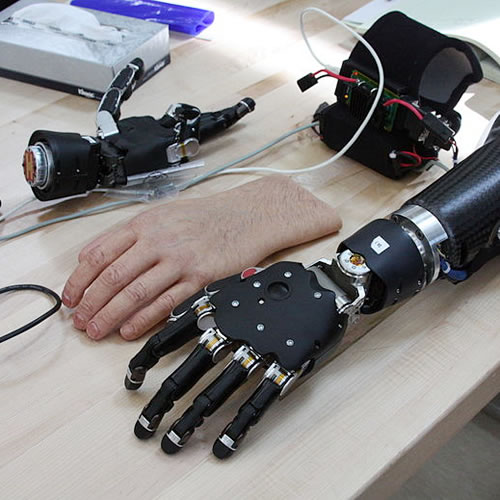 This FIG is for first-year students in the College of Engineering. The main class in the FIG, Interdisciplinary Courses (Engineering) 170: Design Practicum, will introduce you to design via the invention, fabrication and testing of a device that solves a problem proposed by a real-world client. Lectures will address information retrieval techniques, specification writing, methods for enhancing creativity, analysis techniques, scheduling, selection methodologies, cost estimating, sustainability in design, shop safety, engineering ethics, opportunities for engineering students (i.e., study abroad, internships, co-ops), major exploration, fabrication equipment and techniques, and oral and written communication. In this FIG section, we will apply engineering and design toward solving problems while also incorporating insights from the linked Chemistry class. Chemistry 103: General Chemistry I — Stoichiometry and the mole concept, the behavior of gases, liquids and solids, thermochemistry, electronic structure of atoms and chemical bonding, descriptive chemistry of selected elements and compounds, intermolecular forces, and chemistry laboratory skills. |
| 26fig61 | 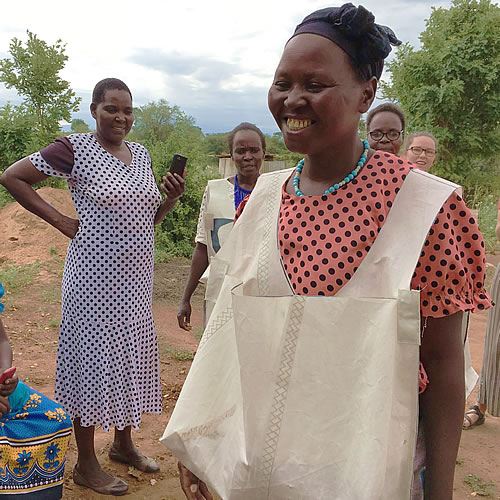 Engineers are in a unique position to make a difference in combating some of the world’s most pressing environmental issues. You will delve into the opportunities and complexities in sustainability and engineering through the design of a team product. The main seminar in this FIG, Interdisciplinary Courses (Engineering) 170: Design Practicum, will provide an introduction to design via the invention, fabrication, and testing of a device that solves a problem proposed by a real-world client. Lectures address information retrieval techniques, specification writing, methods for enhancing creativity, analysis techniques, scheduling, selection methodologies, cost estimating, sustainability in design, shop safety, fabrication equipment and techniques, and oral and written communication. Environmental Studies 112: Social Science Perspectives — Emphasizes the importance of social factors in the generation and resolution of complex environmental problems with an interdisciplinary perspective. It includes a comparison of specific communities in the more and less developed areas of the world. |
| 26fig62 | 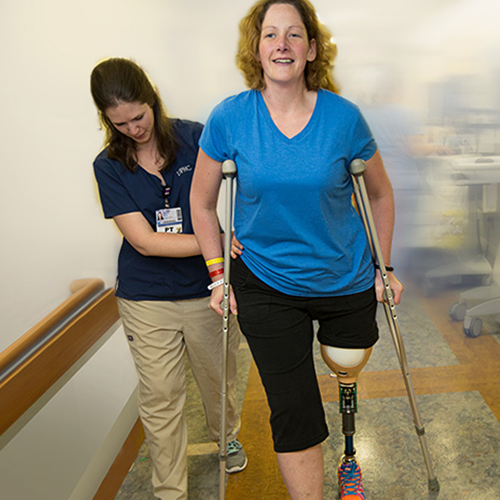 Nursing 125: Introduction to Nursing is the main course in this FIG. It aims to develop academic and interpersonal skills that will be beneficial for success at UW-Madison and in future courses. Additionally, it provides an overview of various careers and educational pathways in the field of nursing. Rehabilitation Psychology & Special Education 300: Individuals with Disabilities — This class is designed to introduce you to the history, etiology, and characteristics of specific categories of disability. It incorporates hands-on learning as you develop your own service-learning projects directly related to working with persons with disabilities. English 100: Introduction to College Composition — Focuses on development of rhetorical reading, listening, and writing abilities; provides practice in written and spoken communication (emphasis on writing); develops information literacy; provides a foundation for a variety of college course work and post-college careers. This FIG is designed for students considering an application to the Nursing Program in the School of Nursing; courses in this FIG have been carefully selected to fulfill requirements for the Nursing Program. Acceptance into the School of Nursing is dependent on a number of factors including completion of specific courses and meeting minimum grade-point average requirements. If you are interested in this academic path, please meet with an advisor from the School of Nursing to get full information. |
| 26fig63 | 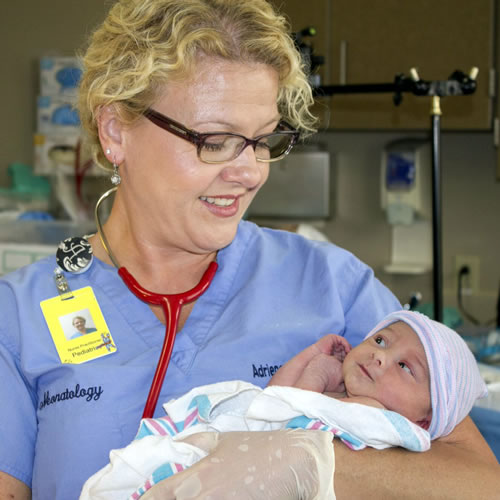 This FIG will take an interdisciplinary approach to examining current issues in health care and the delivery of care in various settings to diverse populations. Nursing 105: Health Care Systems: An Interdisciplinary Approach will focus on factors affecting health and the value placed on health, the delivery of health care in different settings, and the roles of various professionals in the healthcare system. Anthropology 104: Cultural Anthropology and Human Diversity — Introduction to cultural anthropology. Comparative cross-cultural consideration of social organization, economics, politics, language, religion, ecology, gender, and cultural change. Includes a primary focus on U.S. ethnic and racial minorities. Religious Studies 102: Exploring Religion in Sickness and Health — This is an excellent companion course for students interested in the health sciences. Questions covered in this course include: What is religion? Sickness? Health? How can we understand their relationships? How do religious peoples understand and live in sickness and health? How does physical well-being connect to spiritual well-being? How does medicine connect to meaning-making? How does looking at religion in sickness and health provide insight into its roles in different cultures and contexts? From Southeast Asia to the Caribbean, Africa, and the Mediterranean, we’ll approach these questions using perspectives from anthropology, history, sociology, legal studies, and the medical sciences, among others. And we’ll come home to Wisconsin and the United States to examine these questions as well. This FIG is designed for students considering an application to the Nursing Program in the School of Nursing; courses in this FIG have been carefully selected to fulfill requirements for the Nursing Program. Acceptance into the School of Nursing is dependent on a number of factors including completion of specific courses and meeting minimum grade-point average requirements. If you are interested in this academic path, please meet with an advisor from the School of Nursing to get full information. |
| 26fig64 | 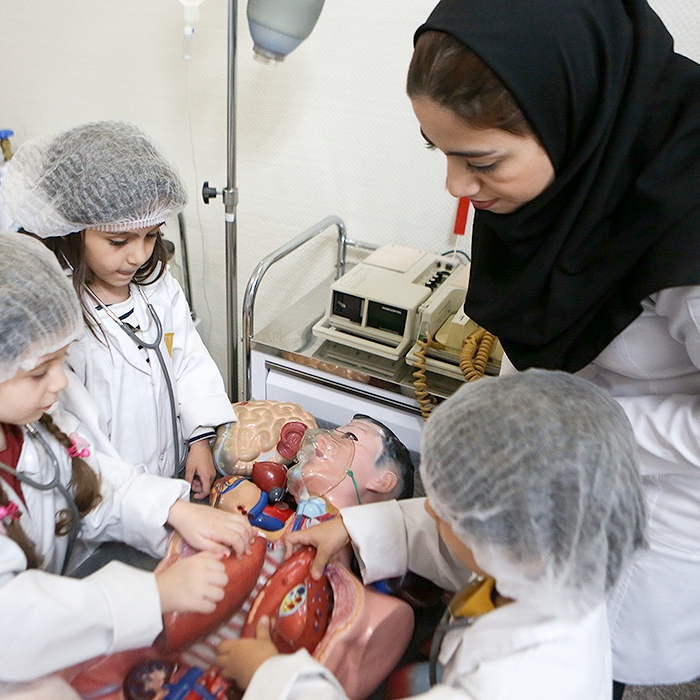 This FIG will take an interdisciplinary approach to examining current issues in health care and the delivery of care in various settings to diverse populations. Nursing 105: Health Care Systems: An Interdisciplinary Approach will focus on factors affecting health and the value placed on health, the delivery of health care in different settings, and the roles of various professionals in the healthcare system. Sociology 134: Sociology of Race and Ethnicity in the United States — This class examines social structures that shape and are shaped by race, ethnicity, racism, and racial/ethnic inequalities. You will learn to understand race and ethnicity as social constructs, and learn how race and ethnicity exist within social structures and institutions. Gender and Women’s Studies 103: Gender, Women, Bodies, and Health — Information on physiological processes and phenomena relating to health (for example, menstruation, pregnancy) and ill health (for example, cancer, maternal mortality, depression). Attention to how bodies are located in social contexts that influence health and illness. Explorations of how multiple kinds of social inequalities shape health and health disparities. Information on roles that female-assigned and women-identified people play as health-care consumers, activists, and practitioners. This FIG is designed for students considering an application to the Nursing Program in the School of Nursing; courses in this FIG have been carefully selected to fulfill requirements for the Nursing Program. Acceptance into the School of Nursing is dependent on a number of factors including completion of specific courses and meeting minimum grade-point average requirements. If you are interested in this academic path, please meet with an advisor from the School of Nursing to get full information. |
| 26fig65 | 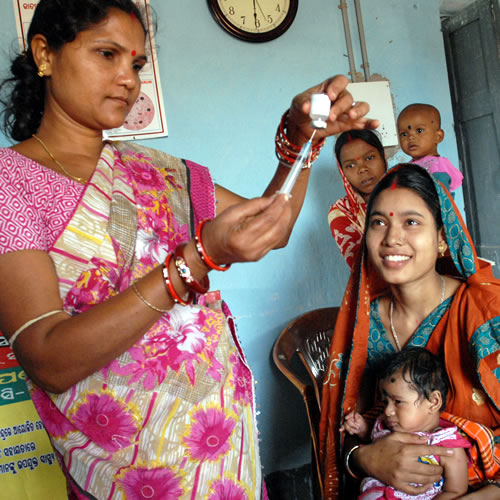 Nursing 590: U-Flourish is the main course in this FIG. U-Flourish provides an introduction to the key ingredients of flourishing through the lens of the health sciences. Build foundational knowledge, engage with direct experience through practice, understand real-world applications, and experience the benefits of practical engagement in one’s own life. Sociology 120: Marriage and Family — Learn about how our society structures family life, what the effects are of different forms of family on children, and how families affect other people. This FIG is designed for students considering an application to the Nursing Program in the School of Nursing; courses in this FIG have been carefully selected to fulfill requirements for the Nursing Program. Acceptance into the School of Nursing is dependent on a number of factors including completion of specific courses and meeting minimum grade-point average requirements. If you are interested in this academic path, please meet with an advisor from the School of Nursing to get full information. |
| 26fig66 | 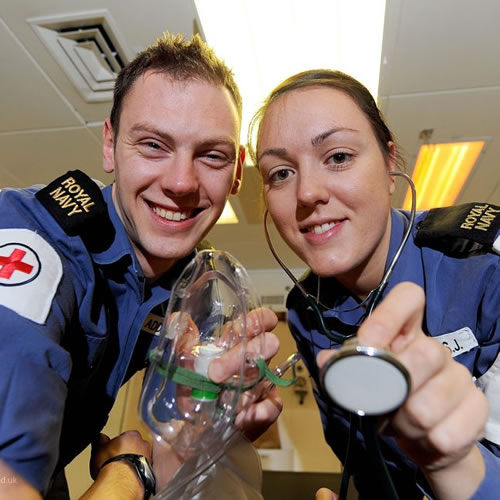 This FIG will take an interdisciplinary approach to examining current issues in health care and the delivery of care in various settings to diverse populations. Nursing 105: Health Care Systems: An Interdisciplinary Approach will focus on factors affecting health and the value placed on health, the delivery of health care in different settings, and the roles of various professionals in the healthcare system. Psychology 202: Introduction to Psychology — This course focuses on behavior, including its development, motivation, frustrations, emotion, intelligence, learning, forgetting, personality, language, thinking, and social behavior. Kinesiology 150: Foundations of Health Behavior and Health Equity — Provides you with an overview of the personal, interpersonal and broader social factors that contribute to the health and well-being of individuals and populations in the United States. Examinations of contemporary approaches to health education and health behavior interventions including: foundations of health education and health behavior programs, health indicators, social and structural determinants of health and health disparities, and models of health education/health behavior that support interventions for individuals and communities. This FIG is designed for students considering an application to the Nursing Program in the School of Nursing; courses in this FIG have been carefully selected to fulfill requirements for the Nursing Program. Acceptance into the School of Nursing is dependent on a number of factors including completion of specific courses and meeting minimum grade-point average requirements. If you are interested in this academic path, please meet with an advisor from the School of Nursing to get full information. |
| 26fig67 | 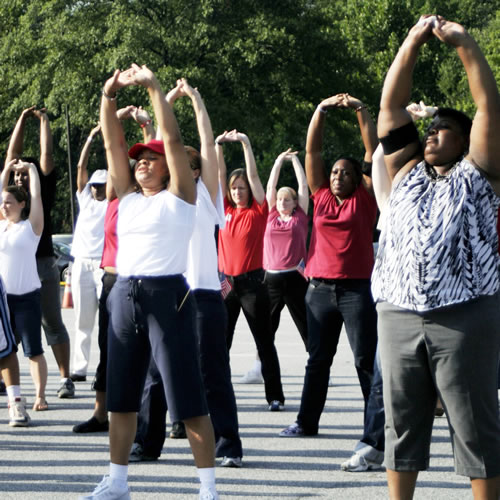 This FIG will take an interdisciplinary approach to examining current issues in health care and the delivery of care in various settings to diverse populations. Nursing 105: Health Care Systems: An Interdisciplinary Approach will focus on factors affecting health and the value placed on health, the delivery of health care in different settings, and the roles of various professionals in the healthcare system. Mathematics 112: College Algebra — This class introduces polynomial equations, remainder and factor theorems, functions, graphs of functions, simultaneous linear equations, logarithm and exponential functions, sequences and series, mathematical induction, binomial theorem. Counseling Psychology 237: Mental Health, Self-Awareness, and Social Justice: Working in Diverse Communities — This class is designed to increase the knowledge, awareness, and skills of students interested in working on mental health matters within diverse identity groups and communities. Conceptualize mental health and well-being across communities in terms of (a) intersectional identities (individual and groups), (b) mental health and access and utilization of services, and (c) social determinants of health in different contexts and settings. Engage in reflective exercises to understand how their social identities influence their work in different types of communities. This FIG is designed for students considering an application to the Nursing Program in the School of Nursing; courses in this FIG have been carefully selected to fulfill requirements for the Nursing Program. Acceptance into the School of Nursing is dependent on a number of factors including completion of specific courses and meeting minimum grade-point average requirements. If you are interested in this academic path, please meet with an advisor from the School of Nursing to get full information. |
| 26fig68 |  Are you considering a career as a pharmacist? Would you like to learn more about the variety of pharmacist roles, responsibilities and career settings? Are you curious about how medications can be used to prevent and treat health conditions and improve human health? In Pharmacy 125: Exploring Pharmacy I we will consider:
Class time will include regular discussion and integration of the linked classes’ content as well as use of guest instructors, readings, videos, and reflective assignments. First-year pharmacy students serve as mentors, offering support and guidance to help ensure you have a smooth transition to college and gain exposure to pharmacy school as they share their student perspectives and experiences. The class will be reflective and interactive in nature to help you enhance your communication, critical thinking, and problem-solving skills. Anthropology 104: Cultural Anthropology and Human Diversity — Introduction to cultural anthropology. Comparative cross-cultural consideration of social organization, economics, politics, language, religion, ecology, gender, and cultural change. Includes a primary focus on U.S. ethnic and racial minorities. Chemistry 103: General Chemistry I — Stoichiometry and the mole concept, the behavior of gases, liquids and solids, thermochemistry, electronic structure of atoms and chemical bonding, descriptive chemistry of selected elements and compounds, intermolecular forces, and chemistry laboratory skills. |
| 26fig69 |  Are you considering a career as a pharmacist? Would you like to learn more about the variety of pharmacist roles, responsibilities and career settings? Are you curious about how medications can be used to prevent and treat health conditions and improve human health? In Pharmacy 125: Exploring Pharmacy I we will consider:
Class time will include regular discussion and integration of the linked classes’ content as well as use of guest instructors, readings, videos, and reflective assignments. First-year pharmacy students serve as mentors, offering support and guidance to help ensure you have a smooth transition to college and gain exposure to pharmacy school as they share their student perspectives and experiences. The class will be reflective and interactive in nature to help you enhance your communication, critical thinking, and problem-solving skills. Anthropology 104: Cultural Anthropology and Human Diversity — Introduction to cultural anthropology. Comparative cross-cultural consideration of social organization, economics, politics, language, religion, ecology, gender, and cultural change. Includes a primary focus on U.S. ethnic and racial minorities. Chemistry 109: Advanced General Chemistry — Accelerated coverage of topics in general chemistry, including introduction to laboratory techniques. Topics include atomic and molecular structure, chemical equilibrium, acid-base chemistry, thermodynamics, kinetics, and electrochemistry. |
| fig | description |